Cottage cheese has surged from forgotten diet food to viral high-protein ingredient, earning a devoted following among fitness enthusiasts and home cooks alike. At 98 kcal per 100 g with 11.1 g of protein, 4.3 g of fat, and just 3.4 g of carbohydrates, it delivers an exceptional protein-to-calorie ratio in a creamy, versatile format. The curds are formed by acid coagulation of casein — a slow-digesting protein that releases amino acids over hours, which is why bodybuilders have long favored cottage cheese as a pre-bedtime snack to fuel overnight muscle repair.
Phosphorus leads the mineral profile at 159 mg per 100 g, working alongside calcium (83 mg, 8% DV) to maintain bone density and support ATP-based cellular energy. Selenium (9.7 mcg, 18% DV) activates glutathione peroxidase and protects thyroid function. Vitamin B12 (0.43 mcg, 18% DV) is essential for nerve integrity, DNA synthesis, and red blood cell formation. Riboflavin (0.163 mg, 13% DV) powers the flavin-dependent enzymes central to mitochondrial electron transport. Sodium (364 mg) is notable — a legacy of the salting step during curd formation — so those monitoring salt intake should check labels. Potassium (104 mg) partially offsets sodium's effect on blood pressure. Vitamin A (37 mcg RAE) supports immune function and skin health. Folate (12 mcg) contributes to DNA methylation and cell division, making cottage cheese a modest but useful folate source. Zinc (0.4 mg) aids immune defense. Cholesterol is low at 17 mg. The sugar content of 2.7 g is naturally occurring lactose, which is partially consumed during the culturing process.
The cottage cheese renaissance has unlocked dozens of creative uses beyond eating it from the tub. Blend it in a food processor until completely smooth for a high-protein base in pancake batter, smoothies, or creamy pasta sauces — the curds disappear and you get the texture of ricotta at a fraction of the fat. For savory applications, top with everything-bagel seasoning, sliced tomato, and a drizzle of olive oil for a 5-minute high-protein snack. Mixed with herbs and garlic, it becomes an excellent dip or baked-potato topping. For dessert, layer with berries, honey, and granola for a protein-rich parfait. When buying, full-fat (4%) cottage cheese has the best flavor and creamiest texture, while low-fat (2%) is a reasonable compromise; fat-free versions often taste chalky and are padded with stabilizers. Store opened cottage cheese in the refrigerator and consume within 5-7 days. The liquid (whey) that separates on top is rich in protein — stir it back in rather than draining it.
| Nutrient | Per 100 g | Per serving |
|---|---|---|
| Calories | 98 kcal | 221 kcal |
| Protein | 11.1 g | 25.1 g |
| Fat | 4.3 g | 9.7 g |
| Carbohydrates | 3.4 g | 7.7 g |
| Fiber | 0 g | 0.0 g |
| Sugar | 2.7 g | 6.1 g |
| Water | 79.8 g | 180.3 g |
| Vitamins & Minerals | ||
| Calcium | 83 mg | 6% |
| Phosphorus | 159 mg | 13% |
| Sodium | 364 mg | 16% |
| Potassium | 104 mg | 2% |
| Selenium | 9.7 µg | 18% |
| Zinc | 0.4 mg | 4% |
| Vitamin B12 | 0.43 µg | 18% |
| Riboflavin (B2) | 0.163 mg | 13% |
| Vitamin A | 0.037 mg | 4% |
| Folate | 12 µg | 3% |
| Cholesterol | 17 mg | 6% |
| Serving | Calories | Protein | Fat | Carbohydrates |
|---|---|---|---|---|
| 100 g | 98 kcal | 11.1 g | 4.3 g | 3.4 g |
| 1 cup (226 g) | 221 kcal | 25.1 g | 9.7 g | 7.7 g |
| ½ cup (113 g) | 111 kcal | 12.5 g | 4.9 g | 3.8 g |
| Food | Calories | Protein | Fat | Carbohydrates |
|---|---|---|---|---|
| Cottage Cheese | 98 kcal | 11.1 g | 4.3 g | 3.4 g |
| Greek Yogurt | 59 kcal | 10.2 g | 0.7 g | 3.6 g |
| Milk (whole) | 61 kcal | 3.2 g | 3.3 g | 4.8 g |
| Kefir | 63 kcal | 3.3 g | 3.5 g | 4.7 g |
| Sour Cream | 198 kcal | 2.4 g | 19.4 g | 4.6 g |
Use our calorie calculator to find your daily calorie needs.
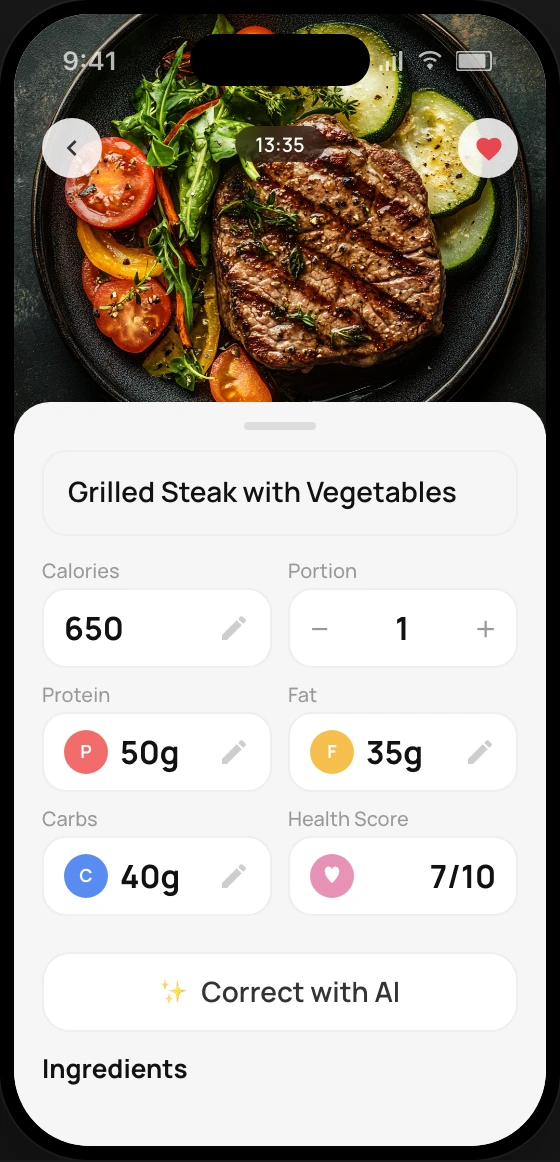
Snap a photo of your meal — CalZen AI instantly calculates calories, protein, carbs, and fat. No manual entry needed.