Cheese is concentrated milk transformed by time, bacteria, and craftsmanship — a 100 g portion of cheddar packs 402 kcal, 25 g of protein, and 33.1 g of fat into a dense, flavor-rich format that has been perfected across thousands of regional traditions from Swiss Emmental to English Stilton to French Comte. The aging process concentrates not just flavor but also minerals and vitamins, making cheese one of the most nutrient-dense foods per gram available. With 1.3 g of carbohydrates and only 0.5 g of sugar, aged cheese is effectively very low-carb.
Calcium dominates at 721 mg per 100 g — 72% of the Daily Value — making a 30 g serving of cheddar equivalent to a full glass of milk for bone-building minerals. This calcium is bound within the casein protein matrix, which slows release and may improve absorption compared to supplements. Phosphorus (512 mg, 73% DV) partners with calcium to form the hydroxyapatite crystal lattice in bones and teeth. Zinc (3.1 mg, 28% DV) supports immune cell proliferation and protein synthesis. Vitamin A (265 mcg RAE, 29% DV) maintains healthy vision, skin barrier integrity, and immune defense. Vitamin B12 (0.83 mcg, 35% DV) protects nerve myelin and fuels DNA replication. Riboflavin (0.375 mg, 29% DV) drives mitochondrial energy production. Selenium (13.9 mcg) provides antioxidant enzyme support. Vitamin K2 (2.8 mcg), produced by bacteria during aging, directs calcium into bones rather than arteries — a mechanism increasingly recognized for cardiovascular protection. Sodium (621 mg) is significant and reflects the salting step in cheesemaking. Cholesterol is 105 mg.
Always bring cheese to room temperature for 30-45 minutes before serving — cold numbs the volatile flavor compounds that make each variety distinctive. For cooking, shred cheese yourself rather than buying pre-shredded, which contains anti-caking starches that inhibit smooth melting. Young, high-moisture cheeses (mozzarella, fontina, Gruyere) melt beautifully for gratins and sandwiches, while aged, low-moisture cheeses (aged cheddar, Parmesan) are better grated as finishing accents. When adding cheese to sauces, remove the pan from heat first and stir in gradually — direct high heat causes proteins to seize and fat to separate, producing a grainy texture. Pair aged cheddar with tart apple and walnuts, blue cheese with honey and pear, or Brie with fig jam and crusty bread. Hard cheeses like Parmesan and aged cheddar keep for weeks in the refrigerator wrapped in wax paper inside a loose plastic bag; never use plastic wrap directly, as it suffocates the cheese and traps ammonia.
| Nutrient | Per 100 g | Per serving |
|---|---|---|
| Calories | 402 kcal | 113 kcal |
| Protein | 25 g | 7.0 g |
| Fat | 33.1 g | 9.3 g |
| Carbohydrates | 1.3 g | 0.4 g |
| Fiber | 0 g | 0.0 g |
| Sugar | 0.5 g | 0.1 g |
| Water | 36.8 g | 10.3 g |
| Vitamins & Minerals | ||
| Calcium | 721 mg | 55% |
| Phosphorus | 512 mg | 41% |
| Sodium | 621 mg | 27% |
| Zinc | 3.1 mg | 28% |
| Vitamin A | 0.265 mg | 29% |
| Vitamin B12 | 0.83 µg | 35% |
| Riboflavin (B2) | 0.375 mg | 29% |
| Selenium | 13.9 µg | 25% |
| Cholesterol | 105 mg | 35% |
| Vitamin K | 2.8 µg | 2% |
| Serving | Calories | Protein | Fat | Carbohydrates |
|---|---|---|---|---|
| 100 g | 402 kcal | 25 g | 33.1 g | 1.3 g |
| 1 slice (28 g) | 113 kcal | 7.0 g | 9.3 g | 0.4 g |
| 1 cup shredded (113 g) | 454 kcal | 28.2 g | 37.4 g | 1.5 g |
| Food | Calories | Protein | Fat | Carbohydrates |
|---|---|---|---|---|
| Cheddar Cheese | 402 kcal | 25 g | 33.1 g | 1.3 g |
| Greek Yogurt | 59 kcal | 10.2 g | 0.7 g | 3.6 g |
| Milk (whole) | 61 kcal | 3.2 g | 3.3 g | 4.8 g |
| Kefir | 63 kcal | 3.3 g | 3.5 g | 4.7 g |
| Cottage Cheese | 98 kcal | 11.1 g | 4.3 g | 3.4 g |
Use our calorie calculator to find your daily calorie needs.
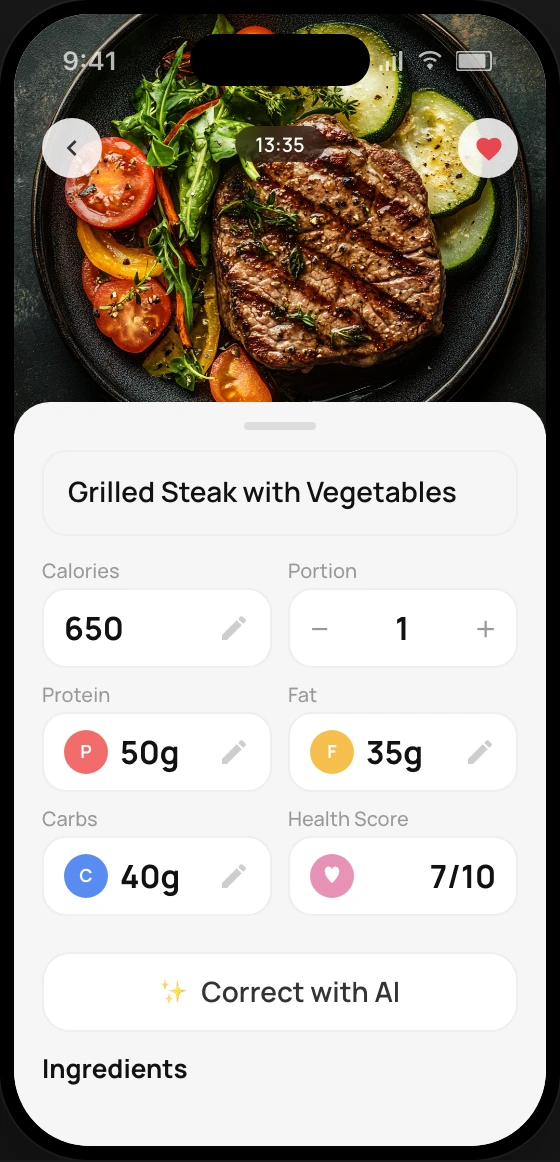
Snap a photo of your meal — CalZen AI instantly calculates calories, protein, carbs, and fat. No manual entry needed.