Mozzarella is the world's most consumed cheese — the stretchy, milky-white foundation of pizza, caprese salad, and lasagna that accounts for over 30% of all cheese production in the United States alone. At 280 kcal per 100 g with 27.5 g of protein and 17.1 g of fat (plus 3.1 g of carbohydrates), low-moisture mozzarella delivers an impressive protein punch wrapped in a melt-friendly, mild-flavored package. Traditional mozzarella di bufala, made from water buffalo milk, is softer and creamier, while the low-moisture version used on pizza and in sandwiches has a firmer, more slice-friendly texture.
Calcium is outstanding at 505 mg per 100 g — 50% of the Daily Value — making mozzarella one of the most efficient calcium delivery vehicles in the dairy aisle. Phosphorus (354 mg, 50% DV) works in tandem to build the hydroxyapatite crystal matrix that gives bones and teeth their strength. Vitamin B12 (2.28 mcg, 95% DV) is exceptionally high, fueling myelin synthesis, DNA replication, and preventing megaloblastic anemia. Riboflavin (0.283 mg, 22% DV) powers flavin-dependent mitochondrial energy conversion. Zinc (2.92 mg, 27% DV) supports over 300 enzymatic reactions including immune cell signaling and wound repair. Vitamin A (179 mcg RAE, 20% DV) maintains retinal function and skin barrier integrity. Selenium (17 mcg, 31% DV) drives the glutathione antioxidant system. Vitamin K (2.3 mcg) directs calcium into bones rather than arteries. Sodium is notable at 627 mg, reflecting the salt brine used in production. Cholesterol is moderate at 54 mg. The 1 g of sugar is residual lactose from the cheesemaking process.
For pizza, low-moisture mozzarella is the undisputed champion — its lower water content means it melts into golden, bubbly pools without releasing excess liquid that makes dough soggy. Shred it yourself from a block; pre-shredded contains cornstarch anti-caking agents that inhibit smooth melting. For caprese salad, use fresh mozzarella (fior di latte or bufala) sliced thick, layered with ripe tomato and basil, drizzled with excellent olive oil, and finished with flaky salt — simplicity that depends entirely on ingredient quality. When making mozzarella sticks, freeze the cut cheese for at least 30 minutes before breading and frying — this prevents the cheese from melting through the coating. For melting into sauces or baked dishes, add mozzarella near the end of cooking; prolonged heat turns it rubbery and separates the fat. Fresh mozzarella should be consumed within a few days and stored in its liquid (brine or whey) in the refrigerator. Low-moisture mozzarella, wrapped tightly, keeps for several weeks. Bring all mozzarella to room temperature for 15-20 minutes before eating to unlock its full flavor.
| Nutrient | Per 100 g | Per serving |
|---|---|---|
| Calories | 280 kcal | 78 kcal |
| Protein | 27.5 g | 7.7 g |
| Fat | 17.1 g | 4.8 g |
| Carbohydrates | 3.1 g | 0.9 g |
| Fiber | 0 g | 0.0 g |
| Sugar | 1 g | 0.3 g |
| Water | 50 g | 14.0 g |
| Vitamins & Minerals | ||
| Calcium | 505 mg | 39% |
| Phosphorus | 354 mg | 28% |
| Sodium | 627 mg | 27% |
| Zinc | 2.92 mg | 27% |
| Vitamin A | 0.179 mg | 20% |
| Vitamin B12 | 2.28 µg | 95% |
| Riboflavin (B2) | 0.283 mg | 22% |
| Selenium | 17 µg | 31% |
| Cholesterol | 54 mg | 18% |
| Vitamin K | 2.3 µg | 2% |
| Serving | Calories | Protein | Fat | Carbohydrates |
|---|---|---|---|---|
| 100 g | 280 kcal | 27.5 g | 17.1 g | 3.1 g |
| 1 slice (28 g) | 78 kcal | 7.7 g | 4.8 g | 0.9 g |
| 1 cup shredded (112 g) | 314 kcal | 30.8 g | 19.2 g | 3.5 g |
| 1 ball (125 g) | 350 kcal | 34.4 g | 21.4 g | 3.9 g |
| Food | Calories | Protein | Fat | Carbohydrates |
|---|---|---|---|---|
| Mozzarella | 280 kcal | 27.5 g | 17.1 g | 3.1 g |
| Greek Yogurt | 59 kcal | 10.2 g | 0.7 g | 3.6 g |
| Milk (whole) | 61 kcal | 3.2 g | 3.3 g | 4.8 g |
| Kefir | 63 kcal | 3.3 g | 3.5 g | 4.7 g |
| Cottage Cheese | 98 kcal | 11.1 g | 4.3 g | 3.4 g |
Use our calorie calculator to find your daily calorie needs.
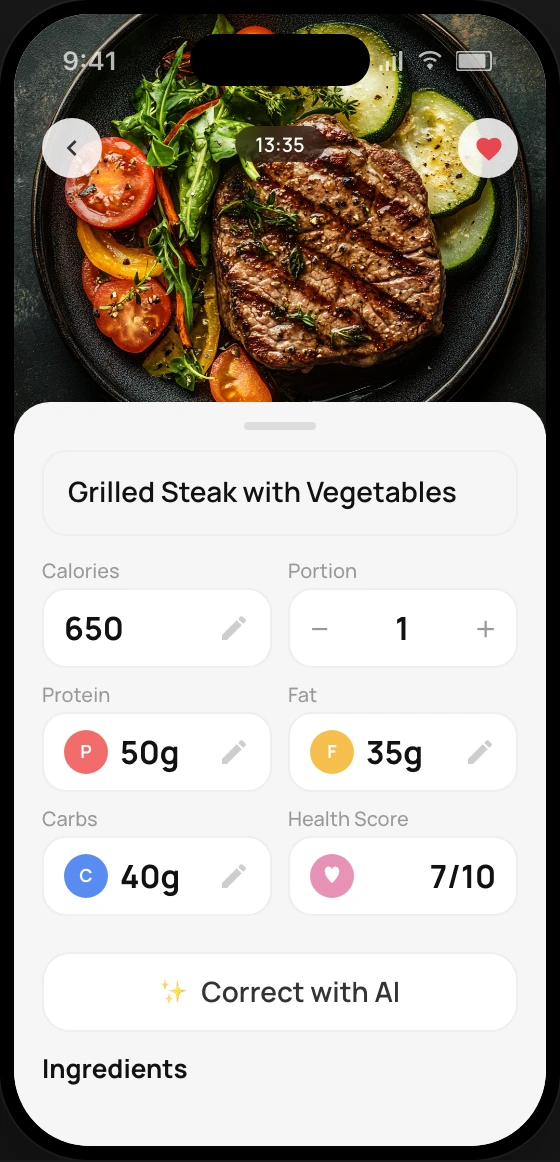
Snap a photo of your meal — CalZen AI instantly calculates calories, protein, carbs, and fat. No manual entry needed.