Bread is civilization itself in edible form — evidence of baking stretches back 14,000 years, predating agriculture. At 265 kcal per 100 g, a standard white loaf packs 9.4 g of protein, 49 g of carbohydrates, 3.2 g of fat, and 2.7 g of fiber into every slice. The 35.7 g of water gives bread its familiar soft crumb, while 5 g of sugar (much of it produced during fermentation) contributes to the golden Maillard crust that fills kitchens with one of the most universally appealing aromas in food. Bread has been currency, a religious symbol, and the literal staff of life for every major civilization on earth.
Enriched bread is a nutritional workhorse. Niacin (4.63 mg, 29% DV) is essential for energy metabolism and DNA repair. Iron (3.6 mg, 20% DV) addresses one of the most common nutrient deficiencies worldwide. Thiamin (0.5 mg, 42% DV) powers the nervous system and converts carbohydrates to energy. Folate (111 mcg, 28% DV) is critical for cell division and is the reason bread flour has been fortified by law in many countries since the 1990s. Calcium (151 mg, 15% DV) supports bone density, a benefit rarely associated with bread. Selenium (22.2 mcg, 40% DV) protects thyroid function and acts as an antioxidant cofactor. Phosphorus (98 mg), magnesium (25 mg), potassium (115 mg), and zinc (0.74 mg) round out the mineral profile. Riboflavin (0.29 mg) supports red blood cell production. Sodium is notably high at 490 mg, reflecting the salt needed for gluten structure and flavor — worth tracking if you eat several slices daily.
For home baking, the four ingredients that matter are flour, water, salt, and time — a basic dough needs nothing else. Knead for 8-10 minutes until the dough passes the windowpane test: stretch a small piece thin enough to see light through it without tearing. First rise should take 1-2 hours at room temperature until doubled. Bake at 230°C (450°F) with steam in the first 10 minutes for a crackling crust. Sourdough fermentation breaks down phytic acid, making minerals more bioavailable and giving bread a lower glycemic response. Store bread cut-side down at room temperature for 2-3 days or freeze sliced for up to three months — never refrigerate, which accelerates staling by recrystallizing starch faster than room-temperature storage.
| Nutrient | Per 100 g | Per serving |
|---|---|---|
| Calories | 265 kcal | 80 kcal |
| Protein | 9.4 g | 2.8 g |
| Fat | 3.2 g | 1.0 g |
| Carbohydrates | 49 g | 14.7 g |
| Fiber | 2.7 g | 0.8 g |
| Sugar | 5 g | 1.5 g |
| Water | 35.7 g | 10.7 g |
| Vitamins & Minerals | ||
| Thiamin (B1) | 0.5 mg | 42% |
| Riboflavin (B2) | 0.29 mg | 22% |
| Niacin (B3) | 4.63 mg | 29% |
| Folate | 111 µg | 28% |
| Iron | 3.6 mg | 20% |
| Calcium | 151 mg | 12% |
| Magnesium | 25 mg | 6% |
| Phosphorus | 98 mg | 8% |
| Potassium | 115 mg | 2% |
| Sodium | 490 mg | 21% |
| Zinc | 0.74 mg | 7% |
| Copper | 0.1 mg | 11% |
| Manganese | 0.49 mg | 21% |
| Selenium | 22.2 µg | 40% |
| Serving | Calories | Protein | Fat | Carbohydrates |
|---|---|---|---|---|
| 100 g | 265 kcal | 9.4 g | 3.2 g | 49 g |
| 1 slice (30 g) | 80 kcal | 2.8 g | 1.0 g | 14.7 g |
| Thick slice (43 g) | 114 kcal | 4.0 g | 1.4 g | 21.1 g |
| Food | Calories | Protein | Fat | Carbohydrates |
|---|---|---|---|---|
| Bread (white) | 265 kcal | 9.4 g | 3.2 g | 49 g |
| Oatmeal (cooked) | 68 kcal | 2.4 g | 1.4 g | 12 g |
| Corn | 86 kcal | 3.3 g | 1.4 g | 18.7 g |
| Buckwheat (cooked) | 92 kcal | 3.4 g | 0.6 g | 19.9 g |
| Millet (cooked) | 119 kcal | 3.5 g | 1 g | 23.7 g |
Use our calorie calculator to find your daily calorie needs.
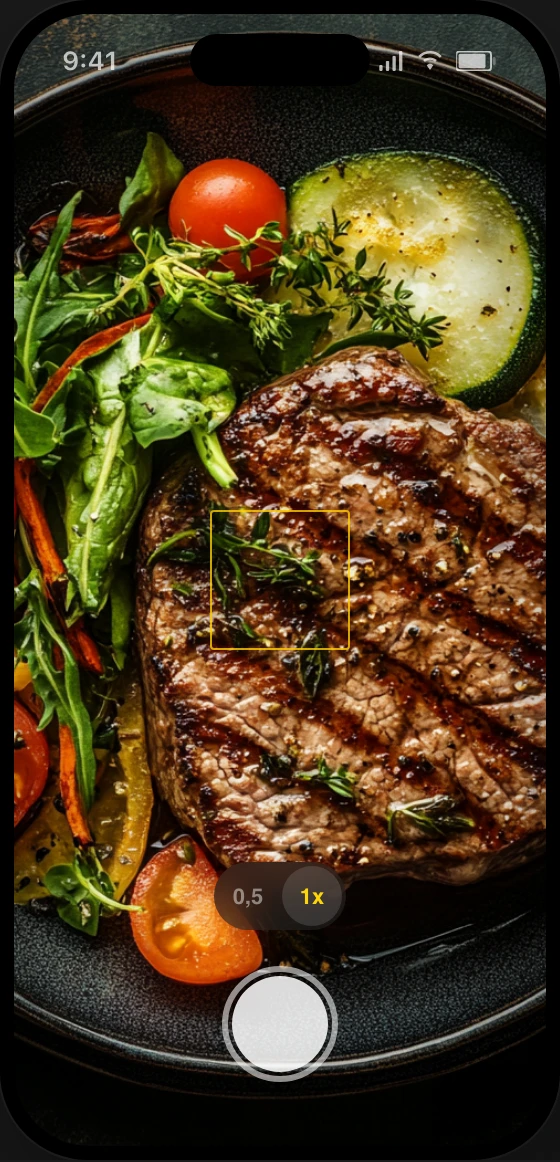
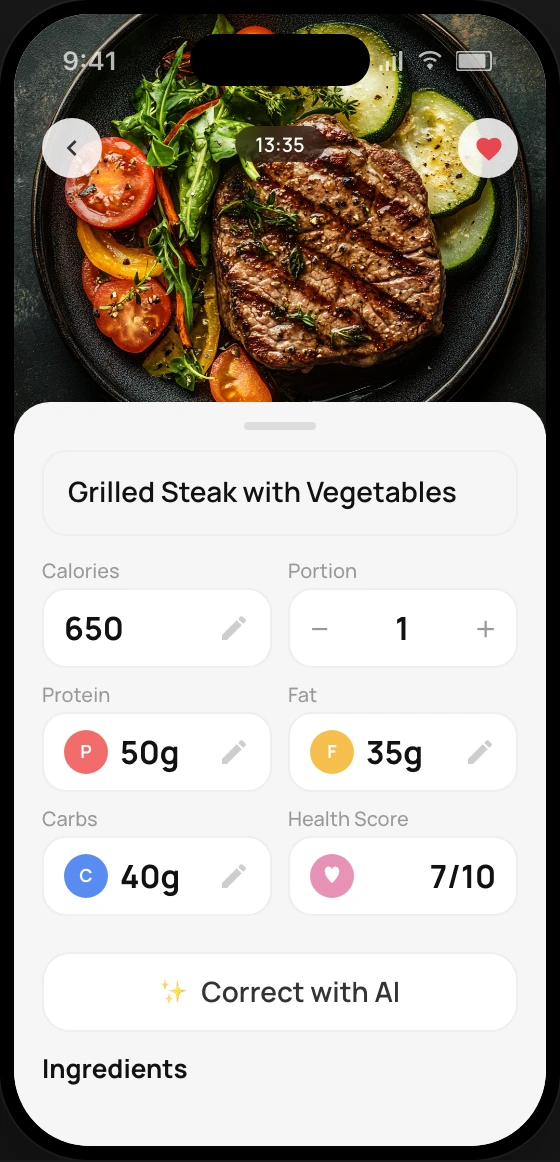
Snap a photo of your meal — CalZen AI instantly calculates calories, protein, carbs, and fat. No manual entry needed.