A bowl of cooked oatmeal delivers 68 kcal per 100 g — modest enough to eat generously — while packing 2.4 g of protein, 12 g of carbohydrates, and just 1.4 g of fat into each spoonful. What sets oatmeal apart from other breakfast grains is its 1.7 g of fiber, a significant portion of which is beta-glucan, a soluble fiber clinically proven to lower LDL cholesterol when consumed at 3 g per day. With 83.6 g of water per 100 g cooked weight, it sits in the stomach like a warm anchor, keeping hunger at bay far longer than toast or cereal. Oatmeal has been the breakfast of Scottish Highlanders, Victorian schoolchildren, and Olympic athletes alike — and the biochemistry explains why.
Manganese leads the mineral charge at 0.69 mg per 100 g cooked (about 30% DV), activating superoxide dismutase — one of the body's primary antioxidant enzymes. Phosphorus (77 mg) and magnesium (27 mg) work together in ATP synthesis, the fundamental currency of cellular energy. Iron (0.9 mg) supports oxygen transport in red blood cells, while zinc (0.64 mg) strengthens immune function. Selenium (5 mcg) protects thyroid tissue from oxidative damage. The B-vitamin suite — thiamin (0.08 mg), riboflavin (0.02 mg), niacin (0.23 mg), pantothenic acid (0.2 mg), B6 (0.02 mg), and folate (6 mcg) — collectively drive the metabolism of all three macronutrients. Copper (0.06 mg) assists iron absorption, and potassium (70 mg) helps maintain fluid balance.
Steel-cut oats give a nuttier, chewier texture but need 25-30 minutes of simmering; rolled oats cook in 5 minutes and still retain most of the beta-glucan. The ideal ratio is 1 part oats to 2 parts liquid — use water for a clean flavor or milk for creamier body. Start with cold liquid, stir once, then let it cook undisturbed on medium-low heat. Add salt at the start (it strengthens the starch network) but save sweeteners for the end. Top with berries, sliced banana, or a spoonful of nut butter for balanced macros. Overnight oats skip the stove entirely: combine equal parts oats and yogurt, refrigerate for 8 hours, and eat cold. Avoid instant packets — they often contain 12-15 g of added sugar per serving. Store dry oats in an airtight container for up to 12 months at room temperature.
| Nutrient | Per 100 g | Per serving |
|---|---|---|
| Calories | 68 kcal | 159 kcal |
| Protein | 2.4 g | 5.6 g |
| Fat | 1.4 g | 3.3 g |
| Carbohydrates | 12 g | 28.1 g |
| Fiber | 1.7 g | 4.0 g |
| Sugar | 0.3 g | 0.7 g |
| Water | 83.6 g | 195.6 g |
| Vitamins & Minerals | ||
| Thiamin (B1) | 0.08 mg | 7% |
| Riboflavin (B2) | 0.02 mg | 2% |
| Niacin (B3) | 0.23 mg | 1% |
| Pantothenic Acid (B5) | 0.2 mg | 4% |
| Vitamin B6 | 0.02 mg | 1% |
| Folate | 6 µg | 2% |
| Iron | 0.9 mg | 5% |
| Magnesium | 27 mg | 6% |
| Phosphorus | 77 mg | 6% |
| Potassium | 70 mg | 1% |
| Zinc | 0.64 mg | 6% |
| Copper | 0.06 mg | 7% |
| Manganese | 0.69 mg | 30% |
| Selenium | 5 µg | 9% |
| Serving | Calories | Protein | Fat | Carbohydrates |
|---|---|---|---|---|
| 100 g | 68 kcal | 2.4 g | 1.4 g | 12 g |
| 1 cup cooked (234 g) | 159 kcal | 5.6 g | 3.3 g | 28.1 g |
| 1 cup dry (81 g) | 55 kcal | 1.9 g | 1.1 g | 9.7 g |
| Food | Calories | Protein | Fat | Carbohydrates |
|---|---|---|---|---|
| Oatmeal (cooked) | 68 kcal | 2.4 g | 1.4 g | 12 g |
| Corn | 86 kcal | 3.3 g | 1.4 g | 18.7 g |
| Buckwheat (cooked) | 92 kcal | 3.4 g | 0.6 g | 19.9 g |
| Millet (cooked) | 119 kcal | 3.5 g | 1 g | 23.7 g |
| Quinoa (cooked) | 120 kcal | 4.4 g | 1.9 g | 21.3 g |
Use our calorie calculator to find your daily calorie needs.
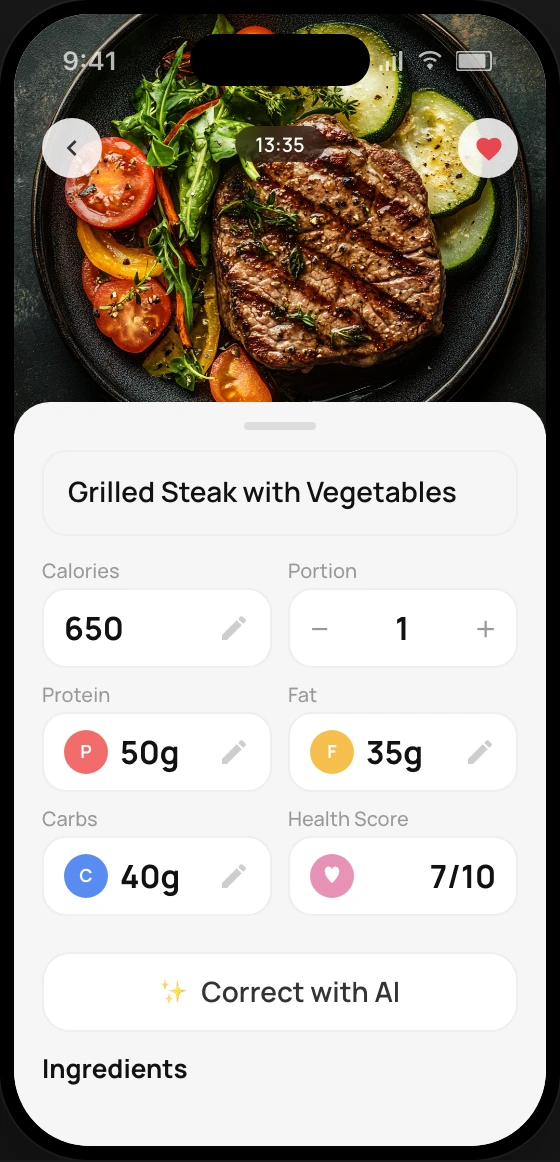
Snap a photo of your meal — CalZen AI instantly calculates calories, protein, carbs, and fat. No manual entry needed.