Ground beef is the workhorse protein behind some of the world's most beloved comfort foods — burgers, tacos, Bolognese, chili, meatballs, and shepherd's pie all start with this humble ingredient. A 100 g serving of regular (80/20) ground beef delivers 254 kcal, 17.2 g of protein, and 20 g of fat, with zero carbohydrates. The fat content is what gives burgers their juiciness and sauces their body; leaner grinds (90/10 or 93/7) trade some of that richness for a lower calorie count but can dry out if overcooked.
Vitamin B12 leads at 2.15 mcg per 100 g — about 90% of the Daily Value — essential for myelin synthesis, DNA replication, and preventing megaloblastic anemia. Zinc (4.79 mg, 44% DV) is one of the highest concentrations among commonly eaten foods, supporting immune cell maturation, taste perception, and testosterone synthesis. Iron (2.27 mg) in the heme form is two to three times more absorbable than plant-based non-heme iron, making ground beef a practical choice for combating iron-deficiency anemia. Selenium (16.6 mcg, 30% DV) reinforces the antioxidant enzyme system, while niacin (4.14 mg) and vitamin B6 (0.32 mg) maintain energy metabolism and neurotransmitter production. Phosphorus (158 mg) supports bone mineralization, and potassium (270 mg) helps regulate blood pressure. Riboflavin (0.16 mg) and pantothenic acid (0.33 mg) contribute to red blood cell formation and hormonal balance. Cholesterol is 78 mg — on the lower end for red meat. Magnesium (17 mg) assists with muscle contraction and nerve signaling.
The cardinal rule of browning ground beef: do not crowd the pan. Work in batches, spreading the meat in a single layer and letting it sear undisturbed for 3-4 minutes before breaking it up. Crowding causes steaming, which produces grey, flabby meat instead of deeply caramelized, flavor-packed crumbles. For burgers, handle the meat as little as possible — overworking compresses the proteins and creates a dense, tough patty. Season the outside generously rather than mixing salt into the meat, which draws out moisture. An 80/20 blend is ideal for burgers (the fat melts and bastes the patty from within), while 90/10 works better for tacos and sauces where you drain the excess fat anyway. Cook burgers to 71 °C (160 °F) internal temperature for safety. Store raw ground beef in the refrigerator for no more than two days, or freeze in portioned bags for up to four months.
| Nutrient | Per 100 g | Per serving |
|---|---|---|
| Calories | 254 kcal | 287 kcal |
| Protein | 17.2 g | 19.4 g |
| Fat | 20 g | 22.6 g |
| Carbohydrates | 0 g | 0.0 g |
| Fiber | 0 g | 0.0 g |
| Sugar | 0 g | 0.0 g |
| Water | 60.4 g | 68.3 g |
| Vitamins & Minerals | ||
| Vitamin B12 | 2.15 µg | 90% |
| Niacin (B3) | 4.14 mg | 26% |
| Vitamin B6 | 0.32 mg | 19% |
| Riboflavin (B2) | 0.16 mg | 12% |
| Pantothenic Acid (B5) | 0.33 mg | 7% |
| Zinc | 4.79 mg | 44% |
| Selenium | 16.6 µg | 30% |
| Phosphorus | 158 mg | 13% |
| Potassium | 270 mg | 6% |
| Iron | 2.27 mg | 13% |
| Magnesium | 17 mg | 4% |
| Cholesterol | 78 mg | 26% |
| Serving | Calories | Protein | Fat | Carbohydrates |
|---|---|---|---|---|
| 100 g | 254 kcal | 17.2 g | 20 g | 0 g |
| 1 patty (113 g) | 287 kcal | 19.4 g | 22.6 g | 0.0 g |
| 1 cup cooked (135 g) | 343 kcal | 23.2 g | 27.0 g | 0.0 g |
| Food | Calories | Protein | Fat | Carbohydrates |
|---|---|---|---|---|
| Ground Beef | 254 kcal | 17.2 g | 20 g | 0 g |
| Turkey Breast | 135 kcal | 30.1 g | 1 g | 0 g |
| Ham | 145 kcal | 21.6 g | 5.5 g | 1.5 g |
| Chicken Breast | 165 kcal | 31 g | 3.6 g | 0 g |
| Chicken Thigh | 209 kcal | 26 g | 10.9 g | 0 g |
Use our calorie calculator to find your daily calorie needs.
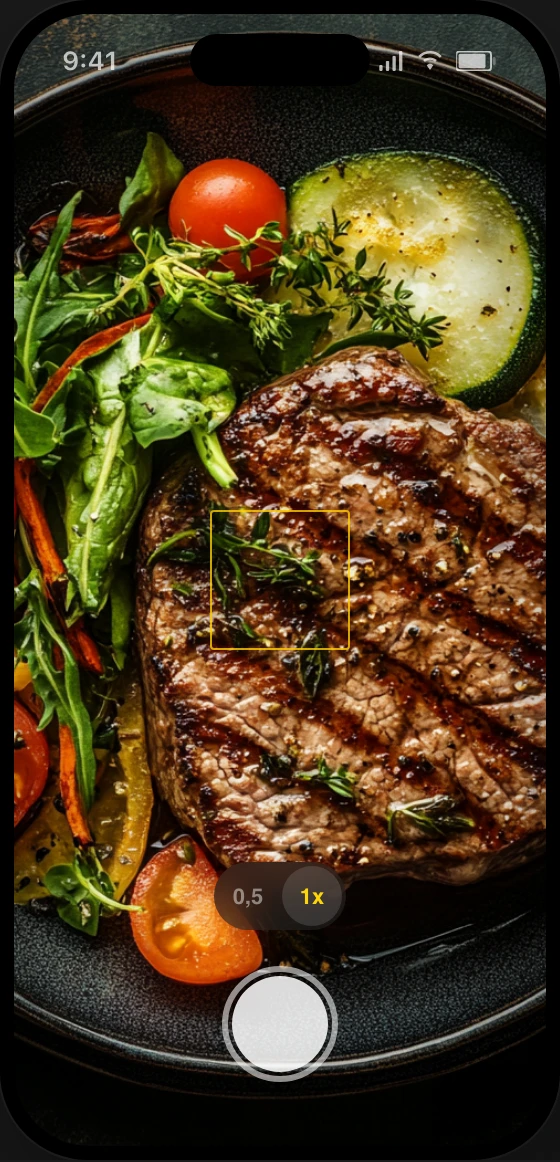
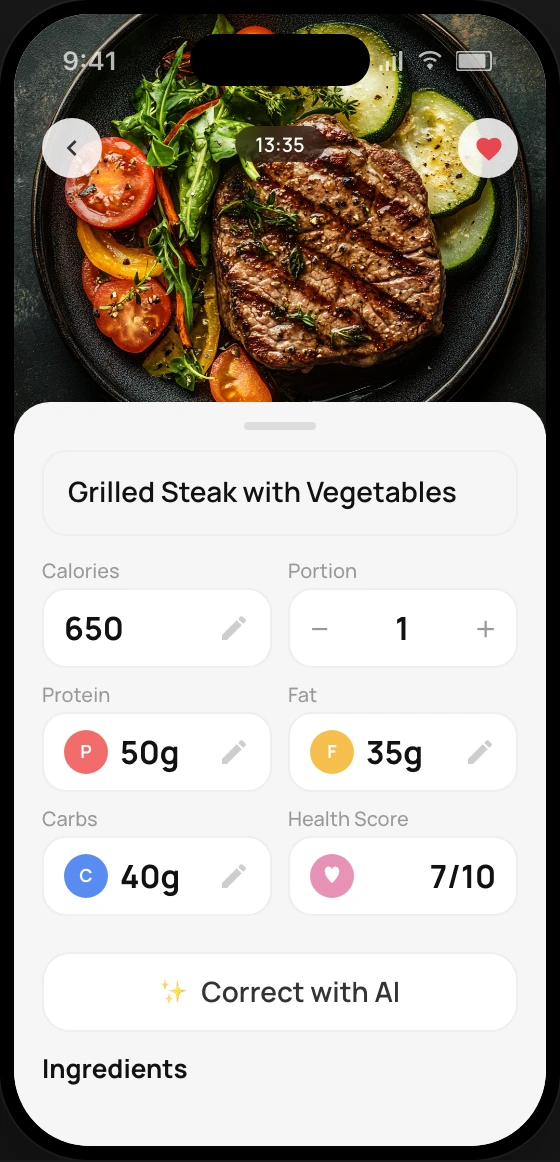
Snap a photo of your meal — CalZen AI instantly calculates calories, protein, carbs, and fat. No manual entry needed.