Pork is the most consumed meat on the planet, and a 100 g portion of cooked pork loin reveals a nutrient profile that rivals beef and chicken in many respects: 242 kcal, 27.3 g of protein, and 14 g of fat, with zero carbohydrates. Often unfairly dismissed as fatty, lean cuts like loin and tenderloin are actually comparable to chicken thigh in total fat. The protein is complete and highly digestible, making pork a practical and affordable cornerstone of high-protein diets worldwide — from Japanese tonkatsu to German schnitzel to American pulled pork.
Pork is the undisputed champion of thiamin (vitamin B1) among common meats, delivering 0.58 mg per 100 g — about 48% of the Daily Value. Thiamin is essential for converting carbohydrates into ATP and for proper nervous system function; a deficiency leads to beriberi, a condition historically linked to polished-rice diets lacking meat. Selenium reaches an impressive 41.4 mcg (75% DV), supporting thyroid hormone activation and protecting cells from oxidative damage. Niacin (5.04 mg) and vitamin B6 (0.46 mg) keep energy metabolism humming, while vitamin B12 (0.57 mcg) supports neurological health. Phosphorus (246 mg) and potassium (362 mg) maintain bone mineralization and electrolyte balance, and zinc (2.39 mg) aids immune function and protein synthesis. Iron (0.87 mg) is present in the heme form, ensuring efficient absorption. Cholesterol sits at 80 mg, on the lower end for meats. Riboflavin (0.26 mg) and pantothenic acid (0.67 mg) complete the B-vitamin suite, supporting red blood cell formation and adrenal function.
Modern pork is significantly leaner than it was decades ago, so overcooking is the enemy. The USDA now recommends an internal temperature of 63 °C (145 °F) for whole cuts, followed by a three-minute rest — yielding meat that is slightly pink in the center, juicy, and perfectly safe. For roasts, sear the outside at high heat first to build a caramelized crust, then finish in a 180 °C (350 °F) oven. Pork takes beautifully to both sweet and savory flavor profiles: try apple cider brines, mustard-herb rubs, or Asian-style glazes with soy, ginger, and honey. Avoid piercing the meat with forks during cooking, which lets juices escape. Store fresh pork in the refrigerator at 0-4 °C for up to three days, or freeze for up to six months.
| Nutrient | Per 100 g | Per serving |
|---|---|---|
| Calories | 242 kcal | 273 kcal |
| Protein | 27.3 g | 30.8 g |
| Fat | 14 g | 15.8 g |
| Carbohydrates | 0 g | 0.0 g |
| Fiber | 0 g | 0.0 g |
| Sugar | 0 g | 0.0 g |
| Water | 57.9 g | 65.4 g |
| Vitamins & Minerals | ||
| Thiamin (B1) | 0.58 mg | 48% |
| Niacin (B3) | 5.04 mg | 32% |
| Vitamin B6 | 0.46 mg | 27% |
| Vitamin B12 | 0.57 µg | 24% |
| Riboflavin (B2) | 0.26 mg | 20% |
| Pantothenic Acid (B5) | 0.67 mg | 13% |
| Selenium | 41.4 µg | 75% |
| Phosphorus | 246 mg | 20% |
| Potassium | 362 mg | 8% |
| Zinc | 2.39 mg | 22% |
| Iron | 0.87 mg | 5% |
| Magnesium | 28 mg | 7% |
| Cholesterol | 80 mg | 27% |
| Serving | Calories | Protein | Fat | Carbohydrates |
|---|---|---|---|---|
| 100 g | 242 kcal | 27.3 g | 14 g | 0 g |
| 1 chop (113 g) | 273 kcal | 30.8 g | 15.8 g | 0.0 g |
| Palm-size (85 g) | 206 kcal | 23.2 g | 11.9 g | 0.0 g |
| Food | Calories | Protein | Fat | Carbohydrates |
|---|---|---|---|---|
| Pork (loin) | 242 kcal | 27.3 g | 14 g | 0 g |
| Turkey Breast | 135 kcal | 30.1 g | 1 g | 0 g |
| Ham | 145 kcal | 21.6 g | 5.5 g | 1.5 g |
| Chicken Breast | 165 kcal | 31 g | 3.6 g | 0 g |
| Chicken Thigh | 209 kcal | 26 g | 10.9 g | 0 g |
Use our calorie calculator to find your daily calorie needs.
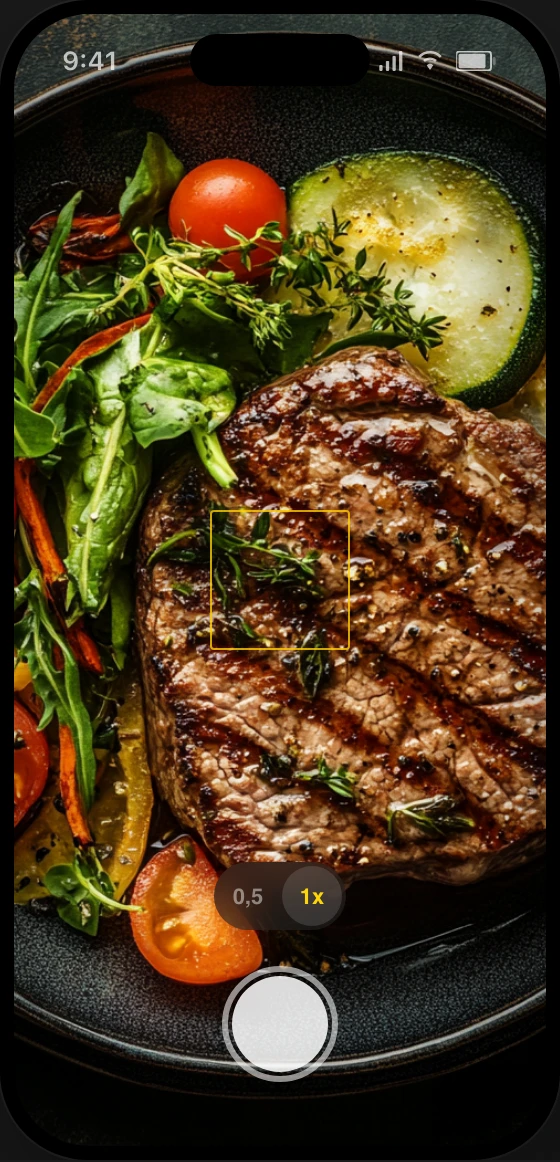
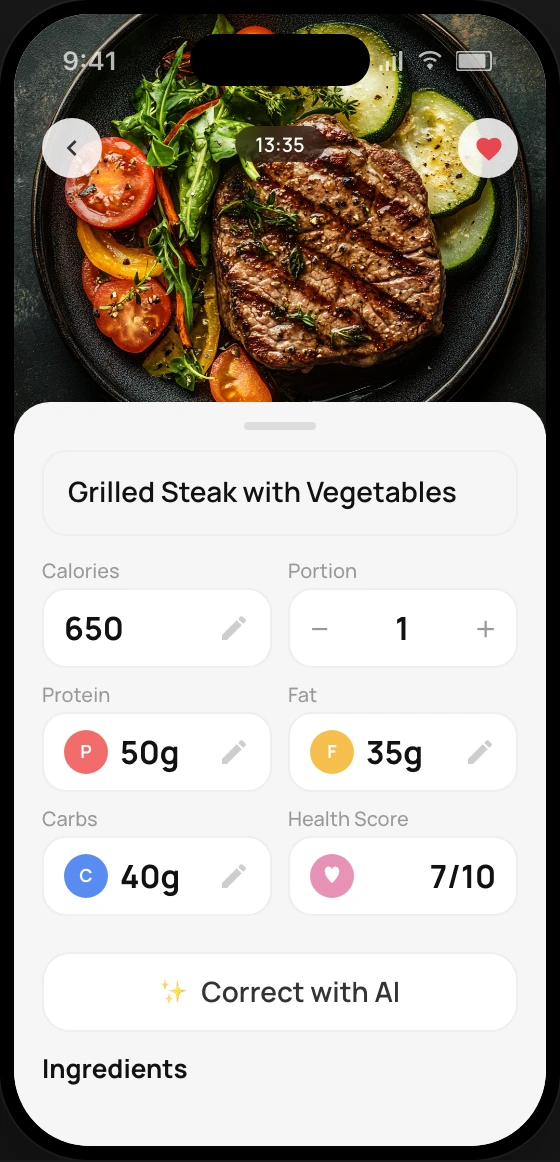
Snap a photo of your meal — CalZen AI instantly calculates calories, protein, carbs, and fat. No manual entry needed.