Lamb carries a depth of flavor that no other common meat can replicate — rich, slightly gamy, and almost sweet — which is why it anchors celebratory feasts from Mediterranean Easter tables to Middle Eastern Eid dinners. A 100 g serving of cooked lamb delivers 294 kcal, 24.5 g of protein, and 20.9 g of fat, with zero carbohydrates. The higher fat content compared to poultry is part of what gives lamb its distinctive succulence and makes it self-basting during roasting, keeping the meat tender without added oils.
Vitamin B12 is outstanding at 2.31 mcg per 100 g — nearly the entire daily requirement — making lamb one of the best natural sources for this nerve-protecting, blood-building vitamin. Zinc (4.46 mg, 41% DV) supports immune cell proliferation and wound repair, while selenium (23.8 mcg, 43% DV) activates the thyroid and neutralizes free radicals via selenoproteins. Niacin (6.66 mg) fuels energy metabolism, and iron (1.88 mg) in the highly absorbable heme form makes lamb especially valuable for women of childbearing age and athletes prone to exercise-induced iron depletion. Phosphorus (188 mg) works in tandem with potassium (310 mg) to maintain strong bones and steady cardiac rhythm. Riboflavin (0.24 mg) converts food into usable energy at the mitochondrial level, and pantothenic acid (0.6 mg) feeds coenzyme A, the metabolic crossroads for fats, carbs, and proteins. Cholesterol is 97 mg, moderate for a red meat. Magnesium (23 mg) contributes to muscle relaxation and over 600 biochemical reactions in the body.
Lamb rewards high-heat cooking methods that build a crisp, caramelized exterior while leaving the interior pink and juicy. For rack of lamb, sear all sides in a smoking-hot pan, then roast at 220 °C (425 °F) for 12-15 minutes for medium-rare (internal temp around 57 °C / 135 °F). Always rest the meat for at least half the cooking time before carving. Lamb has a natural affinity for rosemary, garlic, cumin, and mint — a classic combination is a garlic-rosemary crust for roasts or a yogurt-mint sauce for grilled chops. Tougher cuts like shoulder and shank become silky and fall-off-the-bone tender with low-and-slow braising at 150 °C (300 °F) for 3-4 hours. When buying, look for meat with firm white fat and a deep red color. Store fresh lamb in the coldest part of the refrigerator for up to three days.
| Nutrient | Per 100 g | Per serving |
|---|---|---|
| Calories | 294 kcal | 294 kcal |
| Protein | 24.5 g | 24.5 g |
| Fat | 20.9 g | 20.9 g |
| Carbohydrates | 0 g | 0.0 g |
| Fiber | 0 g | 0.0 g |
| Sugar | 0 g | 0.0 g |
| Water | 54.2 g | 54.2 g |
| Vitamins & Minerals | ||
| Vitamin B12 | 2.31 µg | 96% |
| Niacin (B3) | 6.66 mg | 42% |
| Vitamin B6 | 0.13 mg | 8% |
| Riboflavin (B2) | 0.24 mg | 18% |
| Pantothenic Acid (B5) | 0.6 mg | 12% |
| Zinc | 4.46 mg | 41% |
| Selenium | 23.8 µg | 43% |
| Phosphorus | 188 mg | 15% |
| Potassium | 310 mg | 7% |
| Iron | 1.88 mg | 10% |
| Magnesium | 23 mg | 5% |
| Cholesterol | 97 mg | 32% |
| Serving | Calories | Protein | Fat | Carbohydrates |
|---|---|---|---|---|
| 100 g | 294 kcal | 24.5 g | 20.9 g | 0 g |
| 1 chop (100 g) | 294 kcal | 24.5 g | 20.9 g | 0.0 g |
| Palm-size (85 g) | 250 kcal | 20.8 g | 17.8 g | 0.0 g |
| Food | Calories | Protein | Fat | Carbohydrates |
|---|---|---|---|---|
| Lamb | 294 kcal | 24.5 g | 20.9 g | 0 g |
| Turkey Breast | 135 kcal | 30.1 g | 1 g | 0 g |
| Ham | 145 kcal | 21.6 g | 5.5 g | 1.5 g |
| Chicken Breast | 165 kcal | 31 g | 3.6 g | 0 g |
| Chicken Thigh | 209 kcal | 26 g | 10.9 g | 0 g |
Use our calorie calculator to find your daily calorie needs.
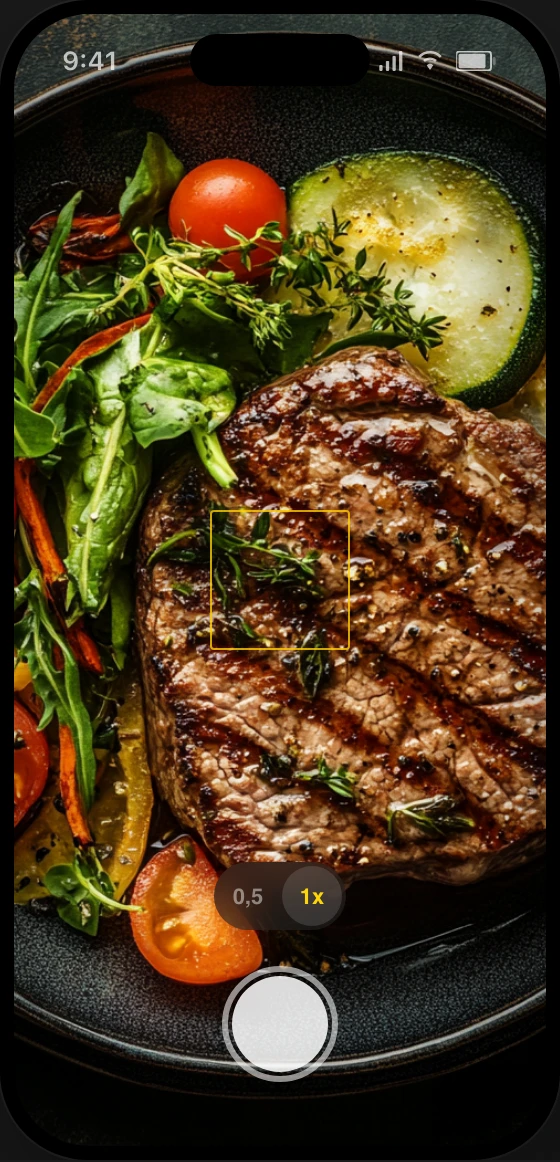
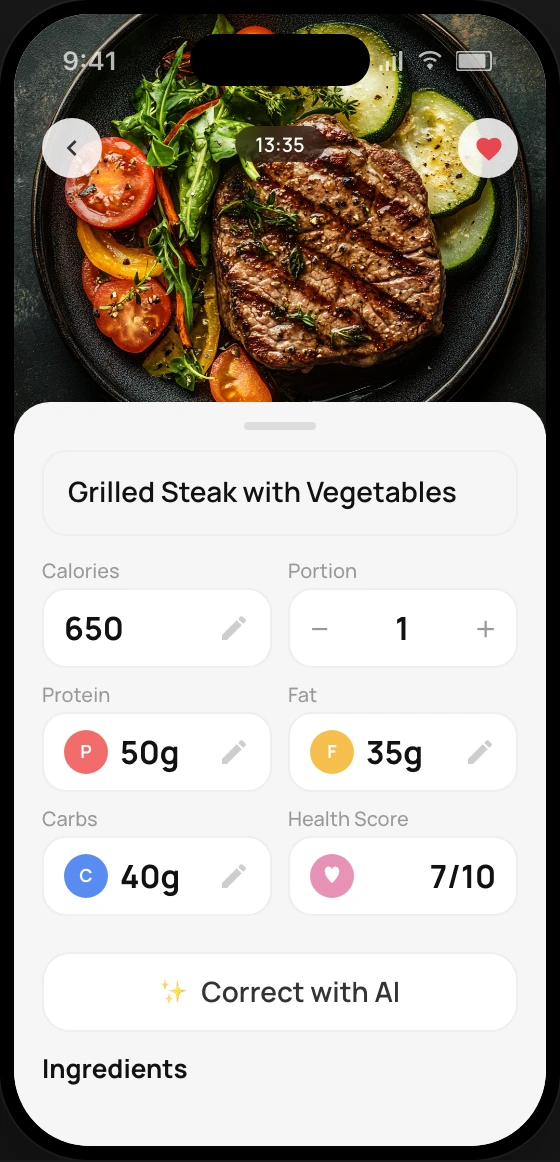
Snap a photo of your meal — CalZen AI instantly calculates calories, protein, carbs, and fat. No manual entry needed.