French fries are the world's most popular side dish — a $40 billion global industry built on the simple alchemy of potato meeting hot oil. At 312 kcal per 100 g, they deliver 3.4 g of protein, 14.7 g of fat (from deep-frying), 41.4 g of carbohydrates, and 3.8 g of fiber. Despite the name, their origin is hotly contested between France and Belgium, with Belgian historians insisting that villagers along the Meuse River were frying potato strips in the 17th century long before the French claimed credit. What is indisputable is the science: the Maillard reaction between amino acids and sugars at high temperature creates hundreds of flavor compounds in the golden crust, while steam trapped inside keeps the interior fluffy.
Potassium is the nutritional surprise at 550 mg per 100 g (12% DV) — fries retain most of the potato's potassium through frying, making them a legitimate cardiovascular mineral source alongside the indulgence. Vitamin C (5.6 mg, about 6% DV) partially survives the heat, providing some antioxidant protection. Vitamin B6 (0.25 mg, 15% DV) supports neurotransmitter synthesis and protein metabolism. Niacin (1.6 mg, 10% DV) drives energy metabolism. Phosphorus (100 mg) contributes to bone structure and cellular energy production. Iron (0.8 mg) aids oxygen transport. Sodium (210 mg) is lower than most people expect for plain fries — the majority of sodium in restaurant fries comes from added salt at the serving stage. The potato's natural fiber (3.8 g) survives frying intact, supporting digestive health and slowing glucose absorption relative to what the high starch content would suggest.
The secret to restaurant-quality fries at home is the double-fry technique. Cut potatoes into 1 cm sticks, soak in cold water for 1 hour (removes surface starch for crispier results), then pat bone-dry. First fry at 150°C (300°F) for 5-6 minutes — this cooks the interior through without browning. Remove, drain, and rest for at least 15 minutes (or up to several hours — this dries the surface). Second fry at 190°C (375°F) for 2-3 minutes until golden and crispy. Season immediately with fine salt while the surface oil is still tacky. For oven fries, toss cut potatoes with a tablespoon of oil, spread in a single layer on a preheated baking sheet, and roast at 220°C (425°F) for 30-35 minutes, flipping once. Russet potatoes produce the fluffiest interior; Yukon Gold produces a creamier, denser fry. Never crowd the pan or fryer — overcrowding drops the oil temperature and steams instead of fries.
| Nutrient | Per 100 g | Per serving |
|---|---|---|
| Calories | 312 kcal | 222 kcal |
| Protein | 3.4 g | 2.4 g |
| Fat | 14.7 g | 10.4 g |
| Carbohydrates | 41.4 g | 29.4 g |
| Fiber | 3.8 g | 2.7 g |
| Sugar | 0.3 g | 0.2 g |
| Water | 38.5 g | 27.3 g |
| Vitamins & Minerals | ||
| Potassium | 550 mg | 12% |
| Sodium | 210 mg | 9% |
| Vitamin C | 5.6 mg | 6% |
| Iron | 0.8 mg | 4% |
| Phosphorus | 100 mg | 8% |
| Niacin (B3) | 1.6 mg | 10% |
| Vitamin B6 | 0.25 mg | 15% |
| Serving | Calories | Protein | Fat | Carbohydrates |
|---|---|---|---|---|
| 100 g | 312 kcal | 3.4 g | 14.7 g | 41.4 g |
| Small (71 g) | 222 kcal | 2.4 g | 10.4 g | 29.4 g |
| Medium (117 g) | 365 kcal | 4.0 g | 17.2 g | 48.4 g |
| Large (154 g) | 480 kcal | 5.2 g | 22.6 g | 63.8 g |
| Food | Calories | Protein | Fat | Carbohydrates |
|---|---|---|---|---|
| French Fries | 312 kcal | 3.4 g | 14.7 g | 41.4 g |
| Oat Milk | 43 kcal | 0.4 g | 1.4 g | 7 g |
| Sushi (California roll) | 143 kcal | 5.8 g | 2 g | 26.1 g |
| Hummus | 166 kcal | 7.9 g | 9.6 g | 14.3 g |
| Pizza (cheese) | 266 kcal | 11.4 g | 10.4 g | 33 g |
Use our calorie calculator to find your daily calorie needs.
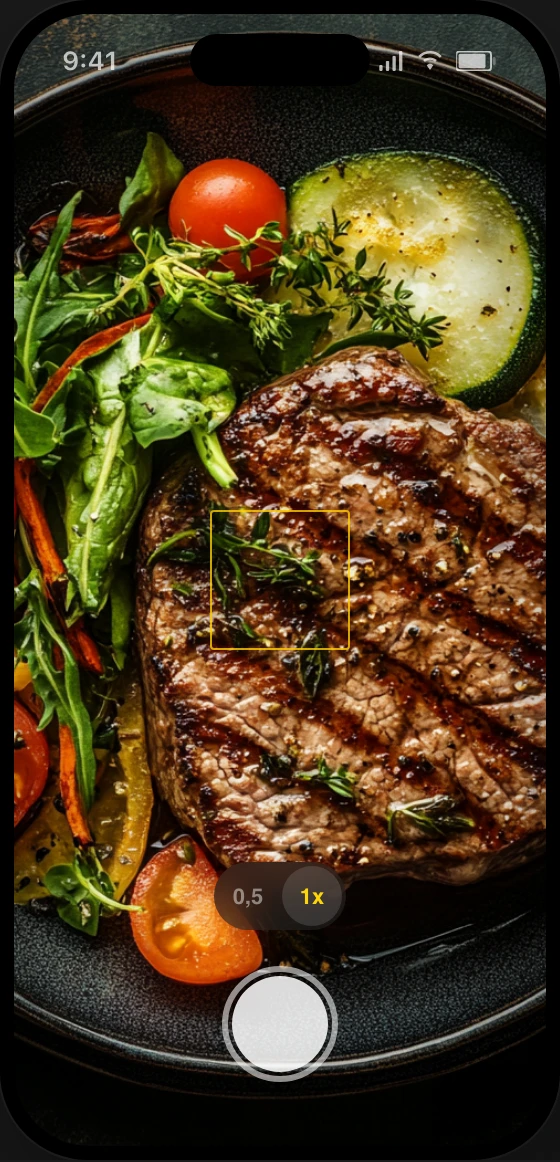
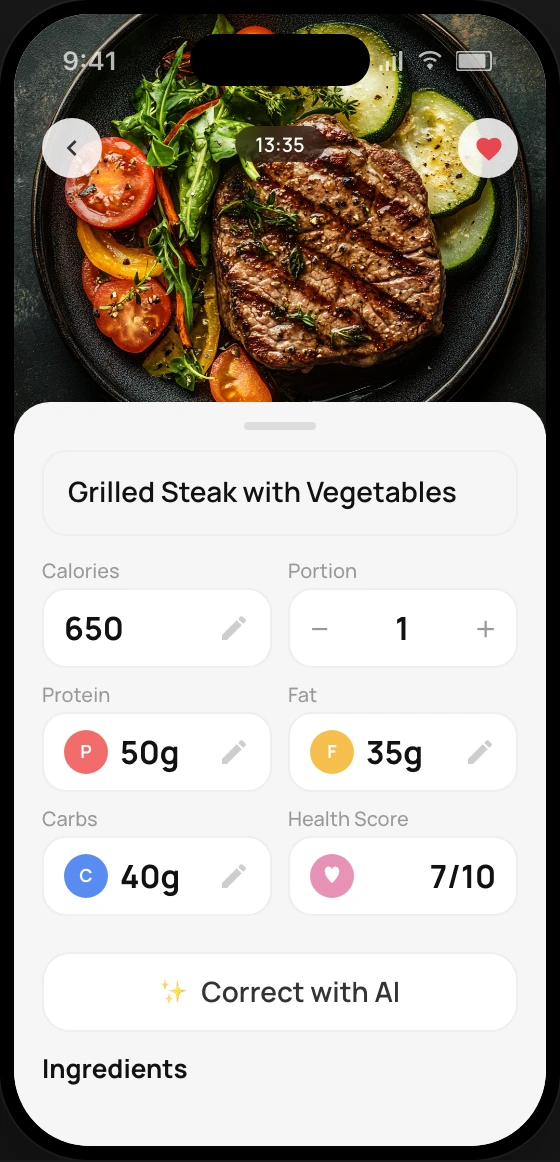
Snap a photo of your meal — CalZen AI instantly calculates calories, protein, carbs, and fat. No manual entry needed.