Hummus is a creamy, ancient spread that has been nourishing Mediterranean and Middle Eastern populations for thousands of years — the earliest known recipe dates to 13th-century Cairo. At 166 kcal per 100 g, it provides 7.9 g of plant protein, 9.6 g of fat (mostly from tahini and olive oil), 14.3 g of carbohydrates, and an impressive 6 g of fiber — making it one of the most nutritionally complete dips on any table. The combination of chickpeas and sesame (tahini) creates a complementary amino acid profile that approaches the quality of animal protein, a pairing that Middle Eastern cuisines discovered empirically long before the science of protein complementation existed. With 64.9 g of water, hummus has the smooth, scoopable texture that has made it a $2.5 billion global market.
Folate (83 mcg, 21% DV) from the chickpeas is essential for DNA synthesis and particularly critical during pregnancy. Magnesium (71 mg, 17% DV) supports over 300 enzyme reactions including blood sugar regulation and nerve transmission. Potassium (228 mg) helps maintain healthy blood pressure. Iron (2.4 mg, 13% DV) supports oxygen transport — and the lemon juice traditionally added to hummus provides vitamin C that dramatically enhances non-heme iron absorption. Phosphorus (176 mg, 25% DV) contributes to bone structure and cellular energy. Zinc (1.4 mg, 13% DV) strengthens immune defense. Copper (0.22 mg, 24% DV) supports iron metabolism and connective tissue health. B6 (0.2 mg, 12% DV) aids neurotransmitter synthesis. Sodium (379 mg) is moderate — mostly from added salt. The chickpeas also provide saponins and isoflavones, bioactive compounds studied for their cholesterol-lowering and anti-inflammatory properties.
The secret to ultra-smooth hummus is threefold: cook the chickpeas until they are falling apart (canned work but dried chickpeas cooked with a pinch of baking soda until very soft are superior), remove the skins (tedious but transformative — squeeze each chickpea and the skin slips off), and process with tahini first before adding anything else. Blend 400 g chickpeas with 80 g tahini, 60 ml lemon juice, 1 crushed garlic clove, 60 ml ice water, and salt for 4-5 minutes until completely smooth and whipped. The ice water and extended processing are what create that cloud-like texture of restaurant hummus. Serve with a well of olive oil, a sprinkle of paprika, and warm pita. Store refrigerated for up to 5 days; bring to room temperature before serving for the best texture and flavor.
| Nutrient | Per 100 g | Per serving |
|---|---|---|
| Calories | 166 kcal | 25 kcal |
| Protein | 7.9 g | 1.2 g |
| Fat | 9.6 g | 1.4 g |
| Carbohydrates | 14.3 g | 2.1 g |
| Fiber | 6 g | 0.9 g |
| Sugar | 0.3 g | 0.0 g |
| Water | 64.9 g | 9.7 g |
| Vitamins & Minerals | ||
| Iron | 2.4 mg | 13% |
| Folate | 83 µg | 21% |
| Magnesium | 71 mg | 17% |
| Potassium | 228 mg | 5% |
| Phosphorus | 176 mg | 14% |
| Zinc | 1.4 mg | 13% |
| Copper | 0.22 mg | 24% |
| Vitamin B6 | 0.2 mg | 12% |
| Sodium | 379 mg | 16% |
| Serving | Calories | Protein | Fat | Carbohydrates |
|---|---|---|---|---|
| 100 g | 166 kcal | 7.9 g | 9.6 g | 14.3 g |
| 1 tbsp (15 g) | 25 kcal | 1.2 g | 1.4 g | 2.1 g |
| 1 cup (246 g) | 408 kcal | 19.4 g | 23.6 g | 35.2 g |
| ½ cup (123 g) | 204 kcal | 9.7 g | 11.8 g | 17.6 g |
| Food | Calories | Protein | Fat | Carbohydrates |
|---|---|---|---|---|
| Hummus | 166 kcal | 7.9 g | 9.6 g | 14.3 g |
| Oat Milk | 43 kcal | 0.4 g | 1.4 g | 7 g |
| Sushi (California roll) | 143 kcal | 5.8 g | 2 g | 26.1 g |
| Pizza (cheese) | 266 kcal | 11.4 g | 10.4 g | 33 g |
| Hamburger | 295 kcal | 17 g | 14 g | 24 g |
Use our calorie calculator to find your daily calorie needs.
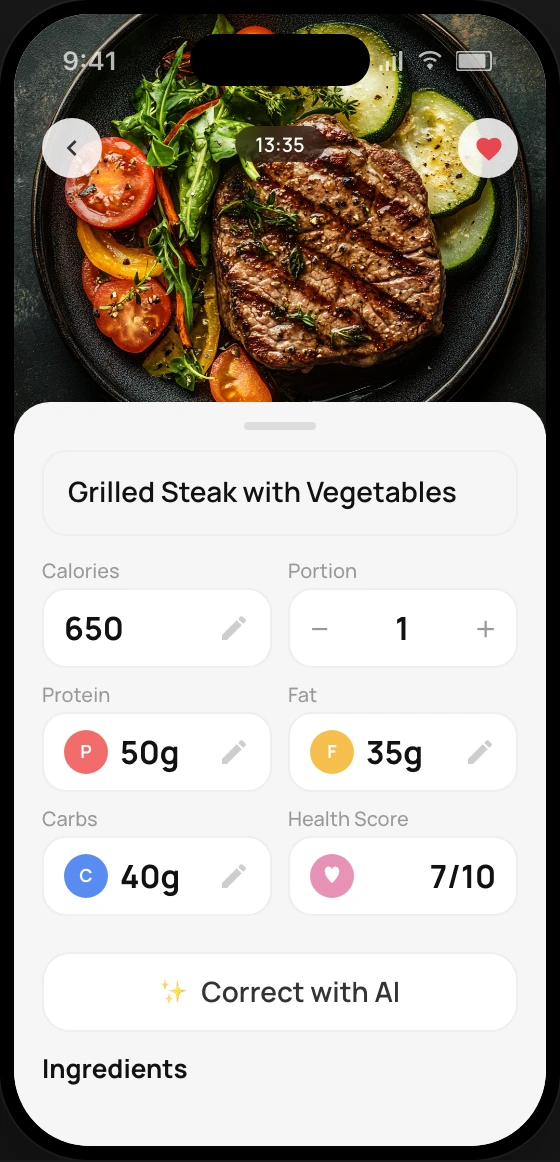
Snap a photo of your meal — CalZen AI instantly calculates calories, protein, carbs, and fat. No manual entry needed.