Oat milk has surged from obscurity to the best-selling plant milk in coffee shops worldwide — and at just 43 kcal per 100 g, it achieves a remarkable impression of creaminess with only 0.4 g of protein, 1.4 g of fat, 7 g of carbohydrates, and 0.8 g of fiber. The 90.8 g of water makes it closer to skim dairy milk in body than any other plant alternative. Swedish scientist Rickard Öste invented the oat milk process at Lund University in the 1990s, founding Oatly and launching what would become a multi-billion-dollar category. The secret to its popularity is beta-glucan — the same soluble fiber that makes oatmeal heart-healthy — which gives oat milk its naturally creamy mouthfeel without the heaviness of coconut or the thinness of almond.
Most commercial oat milk is fortified to match dairy's nutritional profile. Calcium (120 mg, 12% DV) is typically added as tricalcium phosphate to support bone density. Vitamin D (1.2 mcg, 6% DV) is almost always supplemented, addressing one of the most common global deficiencies. Vitamin B12 (0.5 mcg, 21% DV) is added to make oat milk viable for vegans, who otherwise struggle to get this exclusively animal-derived nutrient. Riboflavin (0.17 mg, 13% DV) supports energy production. Vitamin A (160 mcg RAE) is added for immune and vision support. Phosphorus (45 mg) contributes to bone health. Iron (0.4 mg) provides modest mineral support. The naturally occurring beta-glucan fiber — even at 0.8 g per 100 ml — has been clinically shown to reduce LDL cholesterol when consumed as part of a diet providing 3 g per day from oat sources.
For coffee, choose "barista" formulations — they contain added oils (usually rapeseed or sunflower) that enable foaming and prevent curdling in hot espresso. Regular oat milk separates in coffee because the acid denatures the oat proteins. Shake the carton thoroughly before each use, as fortified minerals settle at the bottom. For homemade oat milk, blend 80 g rolled oats with 1 liter of cold water for exactly 30 seconds — over-blending releases too much starch and makes it slimy. Strain through a fine cloth without squeezing. Add a pinch of salt, a drop of vanilla, and a date for sweetness. Homemade oat milk lacks the fortification of commercial versions, so supplement calcium and B12 separately if relying on it as a dairy replacement. Once opened, consume within 7-10 days and store below 7°C. Never freeze oat milk — it separates irreversibly.
| Nutrient | Per 100 g | Per serving |
|---|---|---|
| Calories | 43 kcal | 105 kcal |
| Protein | 0.4 g | 1.0 g |
| Fat | 1.4 g | 3.4 g |
| Carbohydrates | 7 g | 17.1 g |
| Fiber | 0.8 g | 2.0 g |
| Sugar | 3.2 g | 7.8 g |
| Water | 90.8 g | 221.6 g |
| Vitamins & Minerals | ||
| Calcium | 120 mg | 9% |
| Vitamin D | 1.2 µg | 6% |
| Iron | 0.4 mg | 2% |
| Vitamin A | 0.16 mg | 18% |
| Riboflavin (B2) | 0.17 mg | 13% |
| Vitamin B12 | 0.5 µg | 21% |
| Phosphorus | 45 mg | 4% |
| Serving | Calories | Protein | Fat | Carbohydrates |
|---|---|---|---|---|
| 100 g | 43 kcal | 0.4 g | 1.4 g | 7 g |
| 1 cup (244 g) | 105 kcal | 1.0 g | 3.4 g | 17.1 g |
| 1 glass (200 g) | 86 kcal | 0.8 g | 2.8 g | 14.0 g |
| Food | Calories | Protein | Fat | Carbohydrates |
|---|---|---|---|---|
| Oat Milk | 43 kcal | 0.4 g | 1.4 g | 7 g |
| Sushi (California roll) | 143 kcal | 5.8 g | 2 g | 26.1 g |
| Hummus | 166 kcal | 7.9 g | 9.6 g | 14.3 g |
| Pizza (cheese) | 266 kcal | 11.4 g | 10.4 g | 33 g |
| Hamburger | 295 kcal | 17 g | 14 g | 24 g |
Use our calorie calculator to find your daily calorie needs.
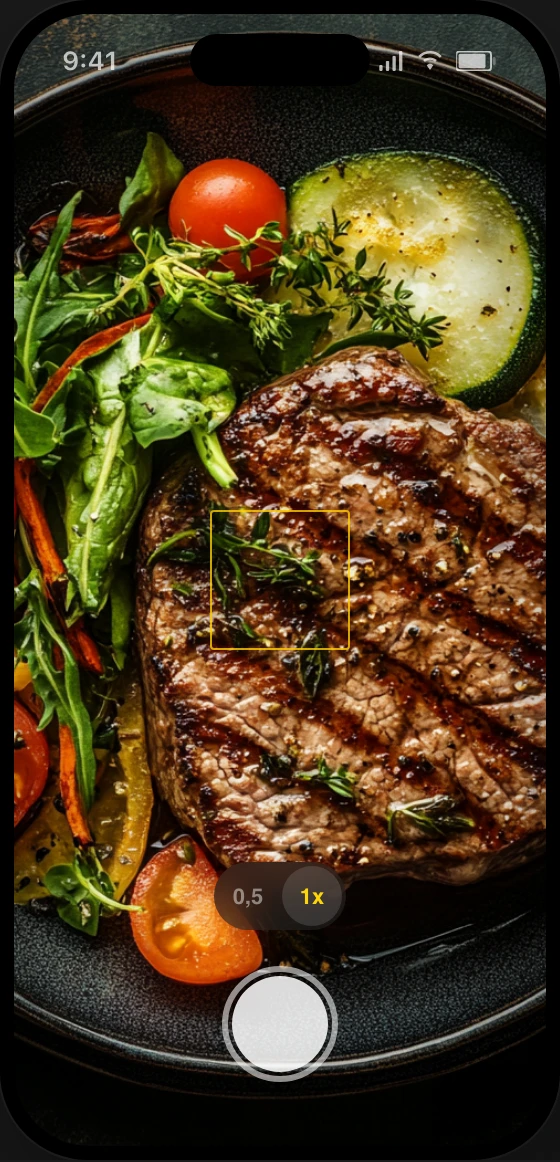
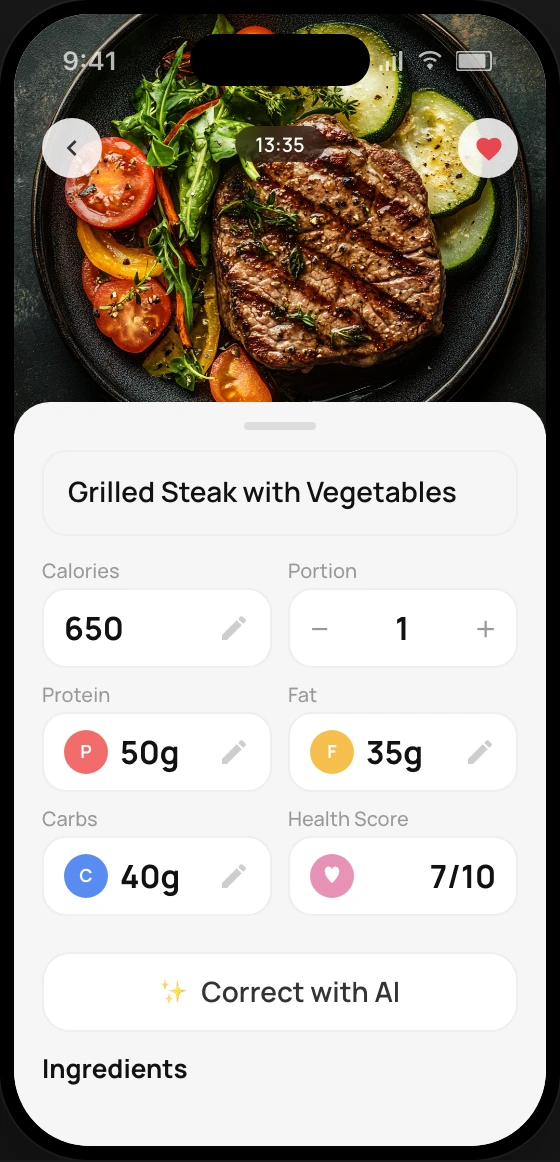
Snap a photo of your meal — CalZen AI instantly calculates calories, protein, carbs, and fat. No manual entry needed.