Sushi — specifically the popular California roll — is one of the lightest prepared foods you can order, at just 143 kcal per 100 g with 5.8 g of protein, 2 g of fat, 26.1 g of carbohydrates, and 0.8 g of fiber. What began as a method of preserving fish in fermented rice in Southeast Asia over 2,000 years ago evolved through Japanese artistry into the elegant bites we know today. The vinegared rice, the precise knife work, the balance of flavors — sushi is as much craft as cuisine. With 64 g of water, each piece has a pleasant, yielding texture that dissolves cleanly on the palate, delivering concentrated flavor in a remarkably compact format.
Sodium (580 mg) is the dominant micronutrient, driven by the soy sauce, rice vinegar seasoning, and sometimes the surimi (imitation crab) filling. Selenium (8.5 mcg, 15% DV) from the rice and seafood activates antioxidant enzymes that protect cellular integrity. Iron (0.6 mg) contributes to oxygen transport. Phosphorus (55 mg) supports bone structure and energy metabolism. Niacin (1.2 mg, 8% DV) drives over 400 metabolic reactions. Potassium (80 mg) supports cardiovascular function. The nori (seaweed wrapper) contributes iodine — critical for thyroid hormone production — and small amounts of vitamin A, vitamin C, and B12 that are meaningful given how little nori weighs. Fish-based sushi rolls add significant omega-3 fatty acids, B12, and vitamin D that dramatically improve the overall nutritional profile compared to vegetable-only rolls.
Sushi rice is the foundation — and getting it right requires precision. Rinse short-grain Japanese rice (Calrose or koshihikari) until the water runs clear, then cook with slightly less water than the usual ratio (1:1.1). While hot, fold in seasoned rice vinegar (120 ml rice vinegar, 60 g sugar, 20 g salt per 3 cups dry rice), using a cutting motion to avoid crushing the grains. Fan the rice as you fold to cool it quickly and develop a glossy sheen. For rolls, lay a sheet of nori on a bamboo mat, spread rice in a thin even layer (wet hands prevent sticking), add fillings in a line, and roll firmly but without crushing. Use a sharp, wet knife to cut into 6-8 pieces with a single drawing motion — sawing shreds the nori. Sushi rice should be used within 4 hours and never refrigerated, as cold temperatures retrograde the starch and harden the texture. Leftover sushi is safe in the fridge for 24 hours but loses textural quality rapidly.
| Nutrient | Per 100 g | Per serving |
|---|---|---|
| Calories | 143 kcal | 43 kcal |
| Protein | 5.8 g | 1.7 g |
| Fat | 2 g | 0.6 g |
| Carbohydrates | 26.1 g | 7.8 g |
| Fiber | 0.8 g | 0.2 g |
| Sugar | 5.2 g | 1.6 g |
| Water | 64 g | 19.2 g |
| Vitamins & Minerals | ||
| Sodium | 580 mg | 25% |
| Selenium | 8.5 µg | 15% |
| Iron | 0.6 mg | 3% |
| Phosphorus | 55 mg | 4% |
| Niacin (B3) | 1.2 mg | 8% |
| Potassium | 80 mg | 2% |
| Serving | Calories | Protein | Fat | Carbohydrates |
|---|---|---|---|---|
| 100 g | 143 kcal | 5.8 g | 2 g | 26.1 g |
| 1 piece (30 g) | 43 kcal | 1.7 g | 0.6 g | 7.8 g |
| 1 roll (6 pcs) (180 g) | 257 kcal | 10.4 g | 3.6 g | 47.0 g |
| Food | Calories | Protein | Fat | Carbohydrates |
|---|---|---|---|---|
| Sushi (California roll) | 143 kcal | 5.8 g | 2 g | 26.1 g |
| Oat Milk | 43 kcal | 0.4 g | 1.4 g | 7 g |
| Hummus | 166 kcal | 7.9 g | 9.6 g | 14.3 g |
| Pizza (cheese) | 266 kcal | 11.4 g | 10.4 g | 33 g |
| Hamburger | 295 kcal | 17 g | 14 g | 24 g |
Use our calorie calculator to find your daily calorie needs.
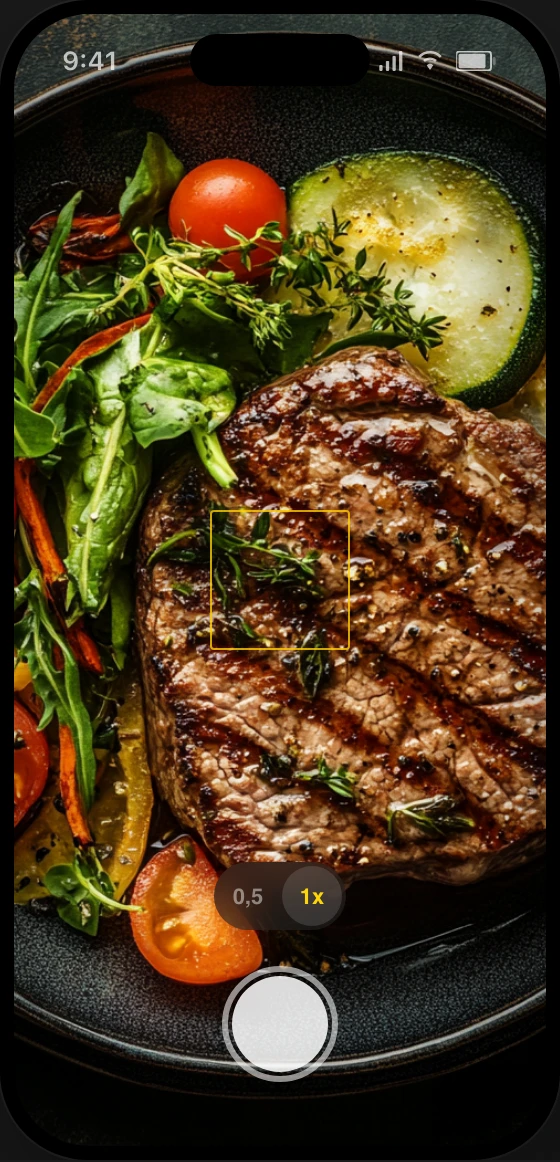
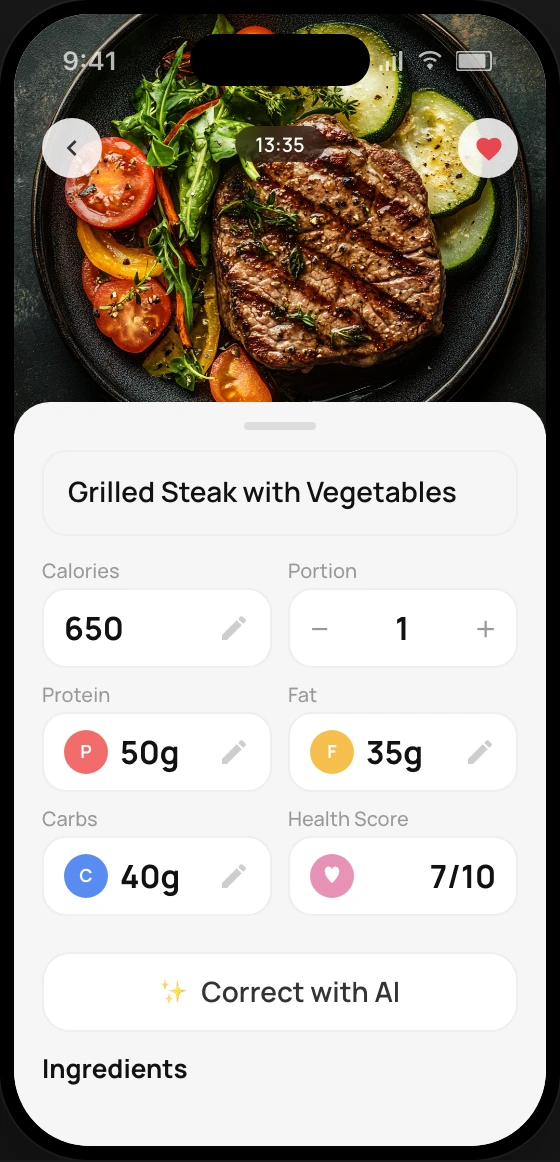
Snap a photo of your meal — CalZen AI instantly calculates calories, protein, carbs, and fat. No manual entry needed.