Garlic is the most medicinally studied food in human history, prescribed by healers from ancient Egypt to medieval Europe, and now validated by modern research. At 149 kcal per 100 g, garlic appears calorie-dense, but a typical clove weighs just 3 grams, putting its per-serving impact at under 5 kcal. The 33.1 g of carbohydrates, 6.4 g of protein, and 0.5 g of fat per 100 g are concentrated because garlic contains only 58.6 g of water — far less than most vegetables. With 2.1 g of fiber and just 1 g of sugar, garlic's flavor contribution vastly outweighs its caloric footprint in any dish.
Vitamin B6 dominates at 1.235 mg per 100 g (about 73 % DV), essential for neurotransmitter synthesis, immune function, and amino acid metabolism. Vitamin C (31.2 mg, roughly 35 % DV) supports antioxidant defense and collagen production. Manganese (1.672 mg, about 73 % DV) activates superoxide dismutase and other critical enzymes. Selenium (14.2 mcg, about 26 % DV) supports thyroid function and acts as an antioxidant cofactor. Phosphorus (153 mg), calcium (181 mg), and iron (1.7 mg) contribute to bone health and oxygen transport. Thiamin (0.2 mg) aids carbohydrate metabolism, and copper (0.299 mg) supports connective tissue. The real pharmacological power comes from allicin, produced when garlic is crushed and the enzyme alliinase converts alliin into this antimicrobial, blood-pressure-lowering compound. Allicin degrades quickly when heated, which is why crushing garlic 10 minutes before cooking lets the reaction complete and stabilize.
Crush or mince garlic and let it rest for 10 minutes before heating — this allows the alliin-to-allicin conversion to complete, preserving the health benefits even after cooking. Add garlic to the pan in the last 30 to 60 seconds of sautéing to prevent burning, which turns garlic acrid and bitter. Roast a whole head by slicing off the top, drizzling with olive oil, wrapping in foil, and baking at 200 °C for 40 minutes — the cloves become sweet, spreadable paste perfect for bread, mashed potatoes, or salad dressings. Store whole bulbs in a cool, dry, ventilated space for up to two months. Never store peeled garlic in oil at room temperature — the anaerobic environment can harbor Clostridium botulinum. Refrigerate garlic-in-oil mixtures and use within a week.
| Nutrient | Per 100 g | Per serving |
|---|---|---|
| Calories | 149 kcal | 4 kcal |
| Protein | 6.4 g | 0.2 g |
| Fat | 0.5 g | 0.0 g |
| Carbohydrates | 33.1 g | 1.0 g |
| Fiber | 2.1 g | 0.1 g |
| Sugar | 1 g | 0.0 g |
| Water | 58.6 g | 1.8 g |
| Vitamins & Minerals | ||
| Vitamin C | 31.2 mg | 35% |
| Vitamin B6 | 1.235 mg | 73% |
| Thiamin (B1) | 0.2 mg | 17% |
| Manganese | 1.672 mg | 73% |
| Selenium | 14.2 µg | 26% |
| Phosphorus | 153 mg | 12% |
| Calcium | 181 mg | 14% |
| Iron | 1.7 mg | 9% |
| Copper | 0.299 mg | 33% |
| Serving | Calories | Protein | Fat | Carbohydrates |
|---|---|---|---|---|
| 100 g | 149 kcal | 6.4 g | 0.5 g | 33.1 g |
| 1 clove (3 g) | 4 kcal | 0.2 g | 0.0 g | 1.0 g |
| 1 head (35 g) | 52 kcal | 2.2 g | 0.2 g | 11.6 g |
| Food | Calories | Protein | Fat | Carbohydrates |
|---|---|---|---|---|
| Garlic | 149 kcal | 6.4 g | 0.5 g | 33.1 g |
| Cucumber | 15 kcal | 0.7 g | 0.1 g | 3.6 g |
| Zucchini | 17 kcal | 1.2 g | 0.3 g | 3.1 g |
| Tomato | 18 kcal | 0.9 g | 0.2 g | 3.9 g |
| Spinach | 23 kcal | 2.9 g | 0.4 g | 3.6 g |
Use our calorie calculator to find your daily calorie needs.
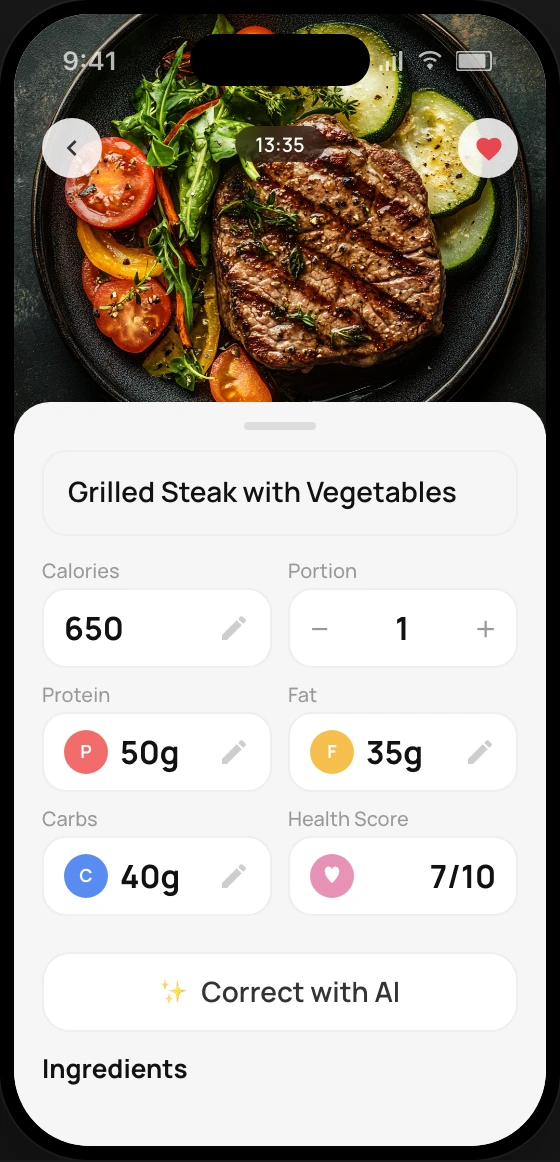
Snap a photo of your meal — CalZen AI instantly calculates calories, protein, carbs, and fat. No manual entry needed.