Cucumber is the most water-dense solid food most people eat — at 95.2 g of water per 100 g, it is closer to drinking a glass of water than eating a vegetable. With just 15 kcal per 100 g, 3.6 g of carbohydrates, 1.7 g of sugar, and 0.5 g of fiber, cucumber is the definition of a free food for anyone counting calories. The 0.7 g of protein and 0.1 g of fat are barely measurable. What cucumber lacks in macronutrient density, it compensates for with crunch, hydration, and a neutral flavor profile that makes it one of the most versatile vegetables in any kitchen — equally at home in salads, sandwiches, pickles, cocktails, and spa water.
Vitamin K leads at 16.4 mcg per 100 g (about 14 % DV), essential for activating proteins that regulate blood clotting and bone mineralization. Vitamin C provides 2.8 mg for baseline antioxidant support. Potassium (147 mg) aids fluid balance and nerve signaling. Manganese (0.079 mg) supports metabolic enzyme function. While the micronutrient numbers appear modest, the context matters: because cucumbers are so low in calories, people tend to eat large quantities, and a full medium cucumber (about 300 g) delivers 42 % DV of vitamin K. Cucumbers also contain cucurbitacins, bitter-tasting triterpenes concentrated in the skin and stem end that have shown anti-inflammatory and anti-cancer properties in preliminary studies. Leaving the peel on triples the fiber and retains most of the vitamin K.
Salt sliced cucumbers and let them sit in a colander for 15 minutes to draw out excess water before adding to salads — this prevents a watery dressing and concentrates flavor. Persian and English cucumbers have thinner skin and fewer seeds than standard varieties, making them ideal for eating raw without peeling. For quick pickles, slice cucumbers into a jar with rice vinegar, a pinch of sugar, sesame oil, and red pepper flakes — refrigerate for 30 minutes for a banchan-style side dish. Smash cucumbers with the flat of a knife (the Chinese pai huang gua technique) to create jagged surfaces that absorb dressing far better than clean cuts. Store whole, unwashed cucumbers in the fridge wrapped in a dry paper towel for up to a week — moisture on the surface is their biggest enemy.
| Nutrient | Per 100 g | Per serving |
|---|---|---|
| Calories | 15 kcal | 30 kcal |
| Protein | 0.7 g | 1.4 g |
| Fat | 0.1 g | 0.2 g |
| Carbohydrates | 3.6 g | 7.2 g |
| Fiber | 0.5 g | 1.0 g |
| Sugar | 1.7 g | 3.4 g |
| Water | 95.2 g | 191.4 g |
| Vitamins & Minerals | ||
| Vitamin K | 16.4 µg | 14% |
| Vitamin C | 2.8 mg | 3% |
| Potassium | 147 mg | 3% |
| Manganese | 0.079 mg | 3% |
| Serving | Calories | Protein | Fat | Carbohydrates |
|---|---|---|---|---|
| 100 g | 15 kcal | 0.7 g | 0.1 g | 3.6 g |
| Medium (201 g) | 30 kcal | 1.4 g | 0.2 g | 7.2 g |
| 1 cup sliced (119 g) | 18 kcal | 0.8 g | 0.1 g | 4.3 g |
| Food | Calories | Protein | Fat | Carbohydrates |
|---|---|---|---|---|
| Cucumber | 15 kcal | 0.7 g | 0.1 g | 3.6 g |
| Zucchini | 17 kcal | 1.2 g | 0.3 g | 3.1 g |
| Tomato | 18 kcal | 0.9 g | 0.2 g | 3.9 g |
| Spinach | 23 kcal | 2.9 g | 0.4 g | 3.6 g |
| Cabbage | 25 kcal | 1.3 g | 0.1 g | 5.8 g |
Use our calorie calculator to find your daily calorie needs.
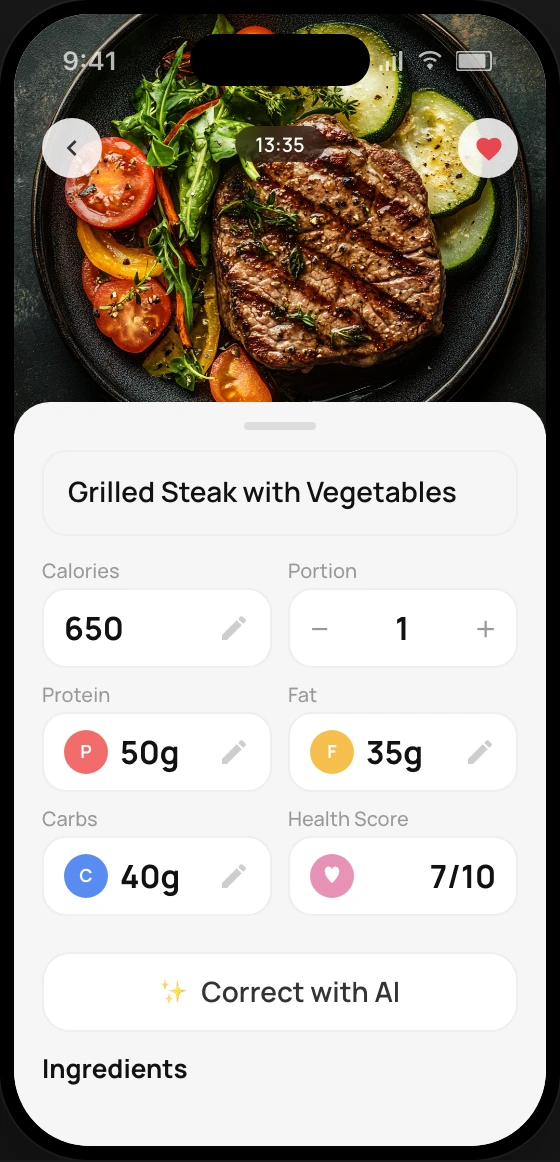
Snap a photo of your meal — CalZen AI instantly calculates calories, protein, carbs, and fat. No manual entry needed.