Zucchini is the summer squash that keeps giving — it grows faster than gardeners can pick it, and nutritionally, it delivers maximum volume for minimal calories. At only 17 kcal per 100 g, it contains 3.1 g of carbohydrates, 2.5 g of sugar, 1 g of fiber, 1.2 g of protein, and 0.3 g of fat. With 94.8 g of water, zucchini is essentially structured water with nutrients — the ideal food for anyone on a calorie-restricted diet who wants to fill their plate without filling their calorie budget. Its mild flavor and adaptable texture make it a chameleon in the kitchen, absorbing whatever sauce or seasoning you pair it with.
Vitamin C provides 17.9 mg per 100 g (about 20 % DV), supporting immune function and collagen synthesis. Vitamin B6 (0.163 mg) aids neurotransmitter production and protein metabolism. Vitamin K (4.3 mcg) contributes to blood clotting. Folate (24 mcg) supports DNA synthesis and cell division. Potassium (261 mg) helps regulate blood pressure and fluid balance. Manganese (0.177 mg) activates metabolic enzymes. The skin contains the highest concentration of antioxidants, including lutein and zeaxanthin — carotenoids specifically associated with eye health and macular degeneration prevention. Leaving the skin on also doubles the fiber content. Zucchini's extremely low calorie density (17 kcal per 100 g) means you can eat over a pound and consume fewer calories than in a single apple.
Spiralize zucchini into noodles (zoodles) and sauté for 2 minutes in a hot pan — not a second longer, or they release water and turn soggy. Salt zoodles in a colander for 15 minutes before cooking to pre-extract moisture. For grilling, cut lengthwise into quarter-inch planks, brush with olive oil, and grill at high heat for 3 minutes per side — the char marks add smoky flavor while the interior stays tender. Grate zucchini into muffin batter, pasta sauce, or scrambled eggs to add moisture and nutrients invisibly. Stuff halved zucchini boats with ground meat, rice, and cheese, then bake at 190 °C for 25 minutes for a complete one-dish meal. Store unwashed in the crisper for up to a week — avoid plastic bags that trap moisture and accelerate decay. Larger zucchini are seedier and more watery; choose small to medium specimens for the best texture.
| Nutrient | Per 100 g | Per serving |
|---|---|---|
| Calories | 17 kcal | 33 kcal |
| Protein | 1.2 g | 2.4 g |
| Fat | 0.3 g | 0.6 g |
| Carbohydrates | 3.1 g | 6.1 g |
| Fiber | 1 g | 2.0 g |
| Sugar | 2.5 g | 4.9 g |
| Water | 94.8 g | 185.8 g |
| Vitamins & Minerals | ||
| Vitamin C | 17.9 mg | 20% |
| Vitamin K | 4.3 µg | 4% |
| Vitamin B6 | 0.163 mg | 10% |
| Folate | 24 µg | 6% |
| Potassium | 261 mg | 6% |
| Manganese | 0.177 mg | 8% |
| Serving | Calories | Protein | Fat | Carbohydrates |
|---|---|---|---|---|
| 100 g | 17 kcal | 1.2 g | 0.3 g | 3.1 g |
| Medium (196 g) | 33 kcal | 2.4 g | 0.6 g | 6.1 g |
| 1 cup sliced (113 g) | 19 kcal | 1.4 g | 0.3 g | 3.5 g |
| Food | Calories | Protein | Fat | Carbohydrates |
|---|---|---|---|---|
| Zucchini | 17 kcal | 1.2 g | 0.3 g | 3.1 g |
| Cucumber | 15 kcal | 0.7 g | 0.1 g | 3.6 g |
| Tomato | 18 kcal | 0.9 g | 0.2 g | 3.9 g |
| Spinach | 23 kcal | 2.9 g | 0.4 g | 3.6 g |
| Cabbage | 25 kcal | 1.3 g | 0.1 g | 5.8 g |
Use our calorie calculator to find your daily calorie needs.
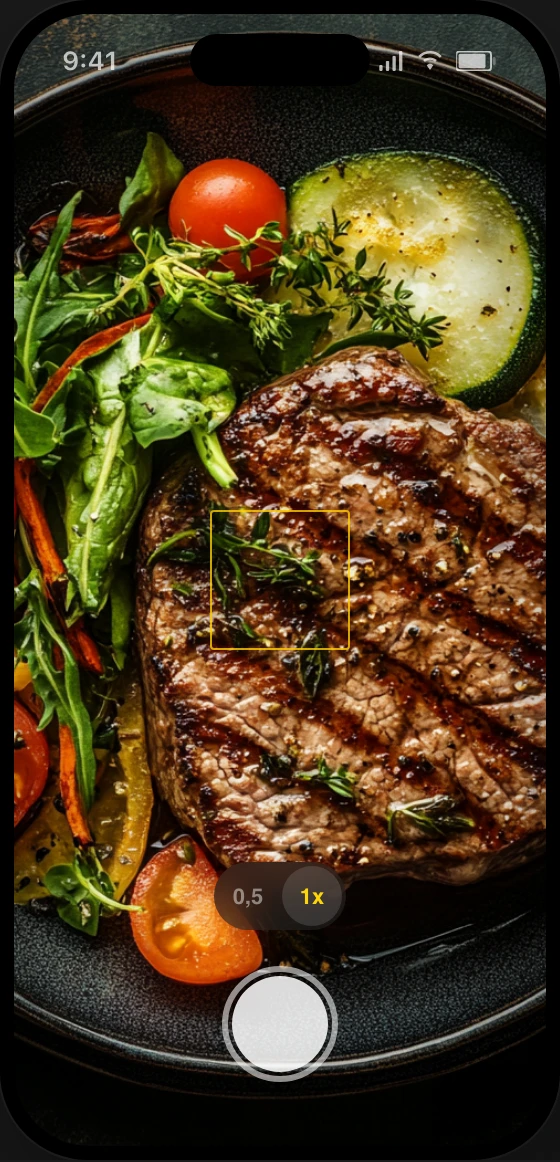
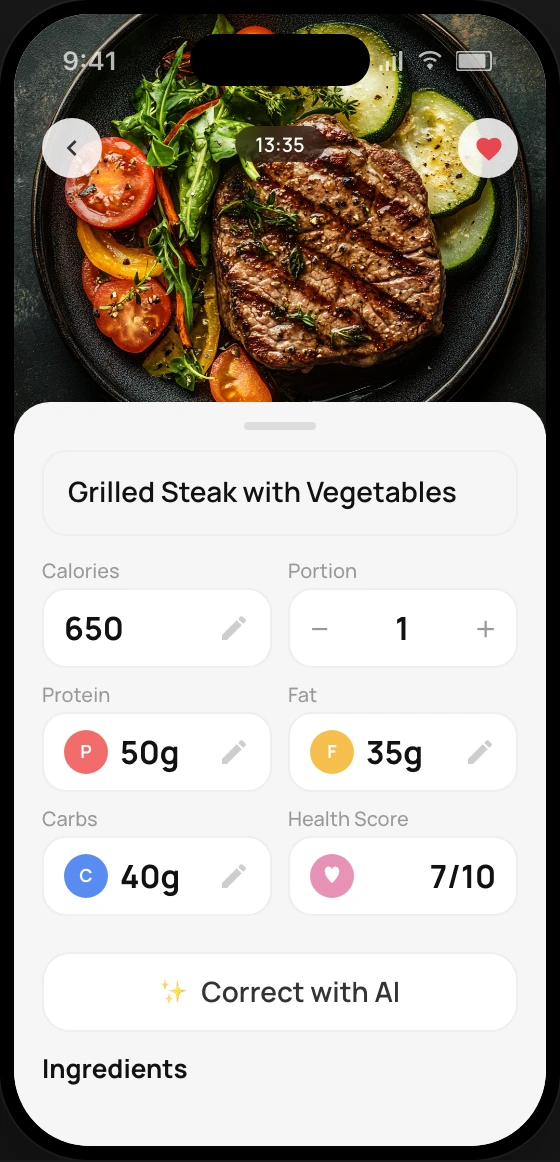
Snap a photo of your meal — CalZen AI instantly calculates calories, protein, carbs, and fat. No manual entry needed.