Tomatoes live in a nutritional sweet spot: technically a fruit, used as a vegetable, and at just 18 kcal per 100 g, one of the lowest-calorie whole foods you can eat. With 3.9 g of carbohydrates, 2.6 g of sugar, and 1.2 g of fiber, they barely register on a calorie tracker. The 94.5 g of water makes them essentially a flavored hydration source with 0.9 g of protein, 0.2 g of fat, and a umami depth that no other fruit or vegetable can match — thanks to naturally high glutamate levels that make tomatoes the backbone of cuisines from Italy to Japan.
Vitamin C comes in at 13.7 mg per 100 g (about 15 % DV), supporting immune function and antioxidant defense. Vitamin A (42 mcg RAE) contributes to vision and skin health via beta-carotene and lycopene precursors. Vitamin K (7.9 mcg) supports blood clotting. Potassium (237 mg) aids blood pressure regulation and heart function. Manganese (0.114 mg) and copper (0.059 mg) support enzyme activation and connective tissue. The headline micronutrient, however, is lycopene — the red pigment that makes tomatoes a top dietary source of this carotenoid. Unlike most nutrients, lycopene bioavailability increases dramatically with cooking: canned tomatoes, tomato paste, and marinara deliver far more usable lycopene than a raw slice. Adding olive oil further boosts absorption since lycopene is fat-soluble.
Never refrigerate fresh tomatoes — cold temperatures destroy volatile aromatic compounds and make the flesh mealy. Store at room temperature, stem-side down to prevent moisture loss through the scar. For the best flavor, let refrigerated tomatoes sit at room temperature for at least an hour before eating. Slow-roast halved tomatoes at 150 °C for 90 minutes with olive oil, garlic, and thyme until they concentrate and intensify — this is the simplest way to turn mediocre supermarket tomatoes into something extraordinary. Salt tomatoes 15 minutes before serving to draw out liquid and amplify flavor. San Marzano and Roma varieties have lower water content and fewer seeds, making them ideal for sauces. Cherry tomatoes, roasted until they burst, become an instant pasta sauce.
| Nutrient | Per 100 g | Per serving |
|---|---|---|
| Calories | 18 kcal | 22 kcal |
| Protein | 0.9 g | 1.1 g |
| Fat | 0.2 g | 0.2 g |
| Carbohydrates | 3.9 g | 4.8 g |
| Fiber | 1.2 g | 1.5 g |
| Sugar | 2.6 g | 3.2 g |
| Water | 94.5 g | 116.2 g |
| Vitamins & Minerals | ||
| Vitamin C | 13.7 mg | 15% |
| Vitamin A | 0.042 mg | 5% |
| Vitamin K | 7.9 µg | 7% |
| Potassium | 237 mg | 5% |
| Manganese | 0.114 mg | 5% |
| Copper | 0.059 mg | 7% |
| Serving | Calories | Protein | Fat | Carbohydrates |
|---|---|---|---|---|
| 100 g | 18 kcal | 0.9 g | 0.2 g | 3.9 g |
| Medium (123 g) | 22 kcal | 1.1 g | 0.2 g | 4.8 g |
| Large (182 g) | 33 kcal | 1.6 g | 0.4 g | 7.1 g |
| 1 cup chopped (180 g) | 32 kcal | 1.6 g | 0.4 g | 7.0 g |
| Food | Calories | Protein | Fat | Carbohydrates |
|---|---|---|---|---|
| Tomato | 18 kcal | 0.9 g | 0.2 g | 3.9 g |
| Cucumber | 15 kcal | 0.7 g | 0.1 g | 3.6 g |
| Zucchini | 17 kcal | 1.2 g | 0.3 g | 3.1 g |
| Spinach | 23 kcal | 2.9 g | 0.4 g | 3.6 g |
| Cabbage | 25 kcal | 1.3 g | 0.1 g | 5.8 g |
Use our calorie calculator to find your daily calorie needs.
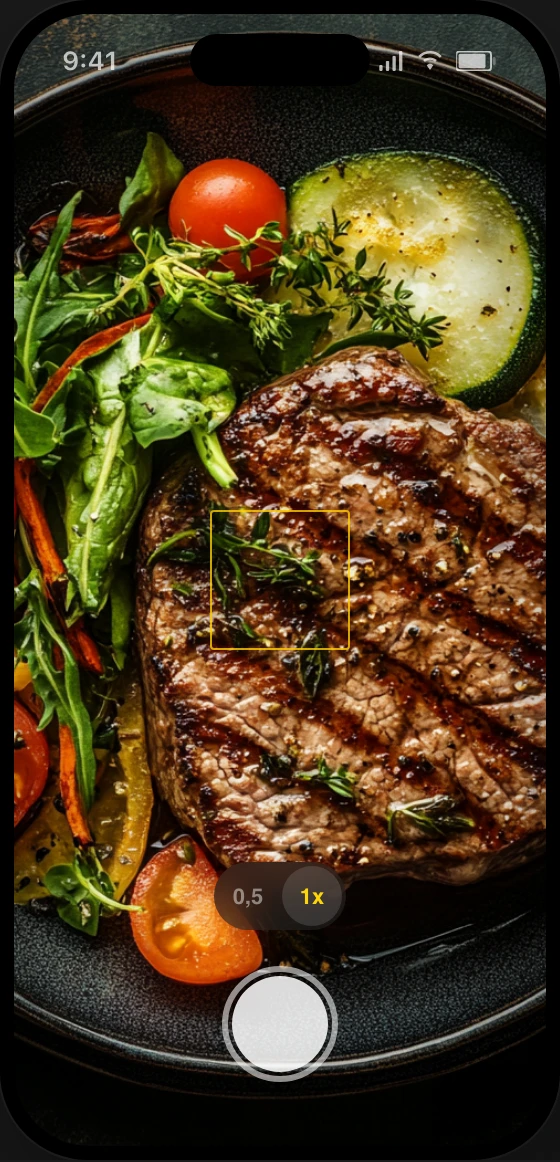
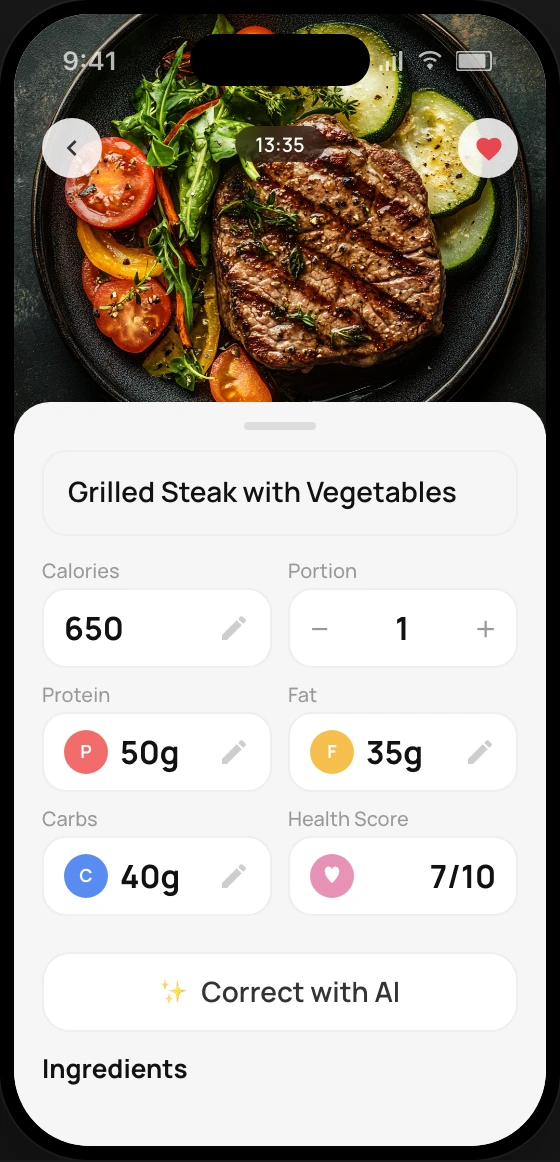
Snap a photo of your meal — CalZen AI instantly calculates calories, protein, carbs, and fat. No manual entry needed.