Pumpkin is the ultimate autumn vegetable — low in calories, loaded with beta-carotene, and far more versatile than its seasonal reputation suggests. At just 26 kcal per 100 g, it contains 6.5 g of carbohydrates, 2.8 g of sugar, 0.5 g of fiber, 1 g of protein, and a negligible 0.1 g of fat. With 91.6 g of water, pumpkin is surprisingly hydrating and has one of the lowest calorie densities in the squash family. Despite being associated with pies and lattes, pumpkin is a legitimate superfood vegetable that deserves a spot in your kitchen year-round — canned pumpkin puree makes that easy.
Vitamin A is outstanding at 426 mcg RAE per 100 g (about 47 % DV), delivered as beta-carotene — the pigment responsible for pumpkin's vivid orange color. This provitamin converts to retinol on demand, supporting night vision, immune cell development, and skin repair. Vitamin C (9 mg, about 10 % DV) provides antioxidant support and collagen production. Vitamin E (1.06 mg) protects cell membranes from oxidative damage. Potassium (340 mg) is notably high, aiding blood pressure regulation and reducing stroke risk. Iron (0.8 mg) contributes to oxygen transport, and copper (0.127 mg) supports red blood cell formation. As with carrots, the bioavailability of pumpkin's beta-carotene increases significantly when cooked and consumed with fat — pureed pumpkin soup with a drizzle of olive oil delivers far more usable vitamin A than raw pumpkin ever could.
Use sugar pumpkins (pie pumpkins) for cooking, not the large decorative varieties — they have denser, sweeter flesh with less water content. Cut in half, scoop out seeds, brush with olive oil, and roast cut-side down at 190 °C for 45 minutes until fork-tender. The flesh scoops out cleanly and purees into soup, risotto, pasta sauces, and baked goods. Save the seeds: toss with olive oil and salt, spread on a baking sheet, and roast at 160 °C for 15 minutes for a crunchy, zinc-rich snack. Canned pumpkin puree (not pie filling, which has added sugar and spice) is nutritionally equivalent to fresh and dramatically more convenient. Blend pumpkin puree into oatmeal, smoothies, or pancake batter for a beta-carotene boost. Store cut pumpkin wrapped in plastic in the fridge for up to five days.
| Nutrient | Per 100 g | Per serving |
|---|---|---|
| Calories | 26 kcal | 30 kcal |
| Protein | 1 g | 1.2 g |
| Fat | 0.1 g | 0.1 g |
| Carbohydrates | 6.5 g | 7.5 g |
| Fiber | 0.5 g | 0.6 g |
| Sugar | 2.8 g | 3.2 g |
| Water | 91.6 g | 106.3 g |
| Vitamins & Minerals | ||
| Vitamin A | 0.426 mg | 47% |
| Vitamin C | 9 mg | 10% |
| Vitamin E | 1.06 mg | 7% |
| Potassium | 340 mg | 7% |
| Iron | 0.8 mg | 4% |
| Copper | 0.127 mg | 14% |
| Serving | Calories | Protein | Fat | Carbohydrates |
|---|---|---|---|---|
| 100 g | 26 kcal | 1 g | 0.1 g | 6.5 g |
| 1 cup cubed (116 g) | 30 kcal | 1.2 g | 0.1 g | 7.5 g |
| 1 cup mashed (245 g) | 64 kcal | 2.5 g | 0.2 g | 15.9 g |
| Food | Calories | Protein | Fat | Carbohydrates |
|---|---|---|---|---|
| Pumpkin | 26 kcal | 1 g | 0.1 g | 6.5 g |
| Cucumber | 15 kcal | 0.7 g | 0.1 g | 3.6 g |
| Zucchini | 17 kcal | 1.2 g | 0.3 g | 3.1 g |
| Tomato | 18 kcal | 0.9 g | 0.2 g | 3.9 g |
| Spinach | 23 kcal | 2.9 g | 0.4 g | 3.6 g |
Use our calorie calculator to find your daily calorie needs.
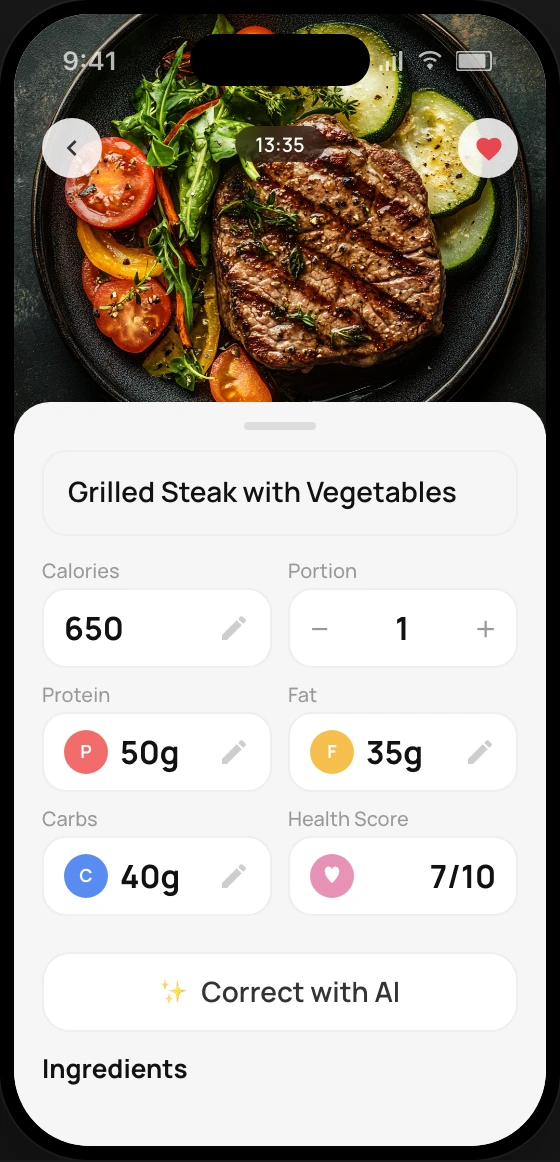
Snap a photo of your meal — CalZen AI instantly calculates calories, protein, carbs, and fat. No manual entry needed.