Beets are one of the few vegetables that have caught the attention of sports scientists. At 43 kcal per 100 g, they carry 9.6 g of carbohydrates, 6.8 g of sugar (among the sweetest root vegetables), 2.8 g of fiber, 1.6 g of protein, and just 0.2 g of fat. With 87.6 g of water, beets are earthy, sweet, and deeply pigmented by betalains — nitrogen-containing compounds that give them their unmistakable crimson color. That color is not just aesthetic: betalains are potent antioxidants and anti-inflammatory agents that have shown promise in reducing oxidative stress markers in human studies.
Folate is the standout at 109 mcg per 100 g (about 27 % DV) — among the highest in the vegetable kingdom, making beets particularly valuable for prenatal nutrition and DNA synthesis. Potassium (325 mg) supports blood pressure regulation and muscle function. Manganese (0.329 mg) activates key antioxidant and metabolic enzymes. Iron (0.8 mg) contributes to oxygen transport. Magnesium (23 mg) supports muscle relaxation and energy production. Phosphorus (40 mg) aids bone structure. Vitamin C (4.9 mg) provides baseline antioxidant support. The real performance angle comes from dietary nitrates — beets are the richest common food source. The body converts these nitrates to nitric oxide, which dilates blood vessels, lowers blood pressure, and improves oxygen efficiency during exercise. Multiple studies show that 500 ml of beet juice consumed 2 to 3 hours before endurance exercise can improve performance by 1 to 3 %.
Roast whole beets wrapped in foil at 200 °C for 60 minutes until a knife slides through easily — the skin slips off effortlessly after cooling. Roasting concentrates the sweetness and mellows the earthy flavor that some people find challenging. Wear gloves and use a dedicated cutting board to avoid permanent magenta stains. Grate raw beets into salads with apple, walnuts, and a tangy vinaigrette for a nutrient-dense crunch. Blend roasted beets into hummus for vibrant color and earthy sweetness. For maximum nitrate benefit, drink raw beet juice rather than cooking — heat reduces nitrate content by up to 25 %. Store uncooked beets in the fridge for up to three weeks; remove the greens first, as they draw moisture from the root.
| Nutrient | Per 100 g | Per serving |
|---|---|---|
| Calories | 43 kcal | 35 kcal |
| Protein | 1.6 g | 1.3 g |
| Fat | 0.2 g | 0.2 g |
| Carbohydrates | 9.6 g | 7.9 g |
| Fiber | 2.8 g | 2.3 g |
| Sugar | 6.8 g | 5.6 g |
| Water | 87.6 g | 71.8 g |
| Vitamins & Minerals | ||
| Vitamin C | 4.9 mg | 5% |
| Folate | 109 µg | 27% |
| Potassium | 325 mg | 7% |
| Manganese | 0.329 mg | 14% |
| Iron | 0.8 mg | 4% |
| Magnesium | 23 mg | 5% |
| Phosphorus | 40 mg | 3% |
| Serving | Calories | Protein | Fat | Carbohydrates |
|---|---|---|---|---|
| 100 g | 43 kcal | 1.6 g | 0.2 g | 9.6 g |
| Medium (82 g) | 35 kcal | 1.3 g | 0.2 g | 7.9 g |
| 1 cup sliced (136 g) | 58 kcal | 2.2 g | 0.3 g | 13.1 g |
| Food | Calories | Protein | Fat | Carbohydrates |
|---|---|---|---|---|
| Beet | 43 kcal | 1.6 g | 0.2 g | 9.6 g |
| Cucumber | 15 kcal | 0.7 g | 0.1 g | 3.6 g |
| Zucchini | 17 kcal | 1.2 g | 0.3 g | 3.1 g |
| Tomato | 18 kcal | 0.9 g | 0.2 g | 3.9 g |
| Spinach | 23 kcal | 2.9 g | 0.4 g | 3.6 g |
Use our calorie calculator to find your daily calorie needs.
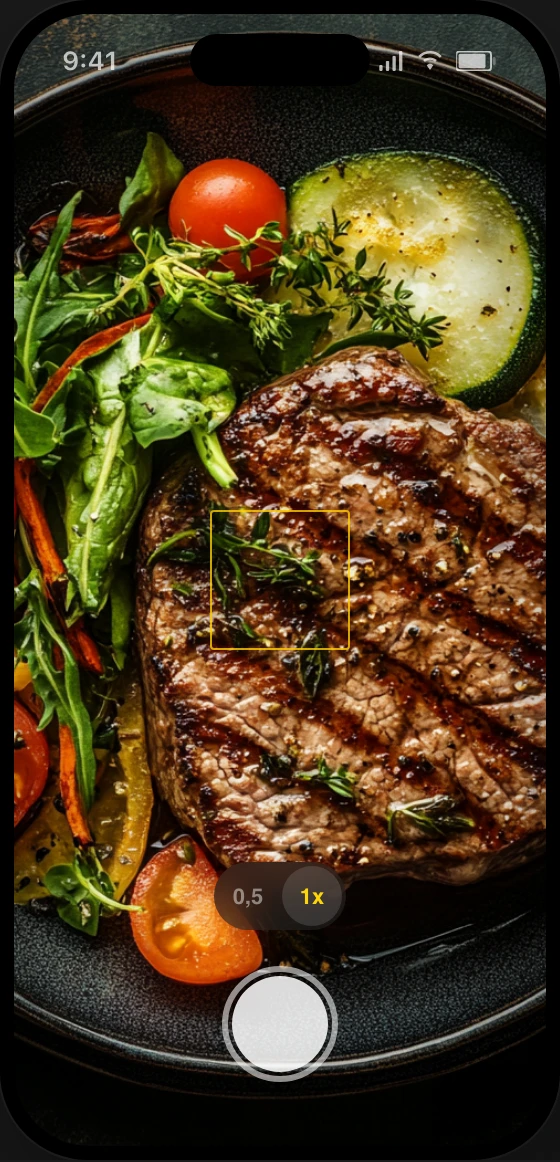
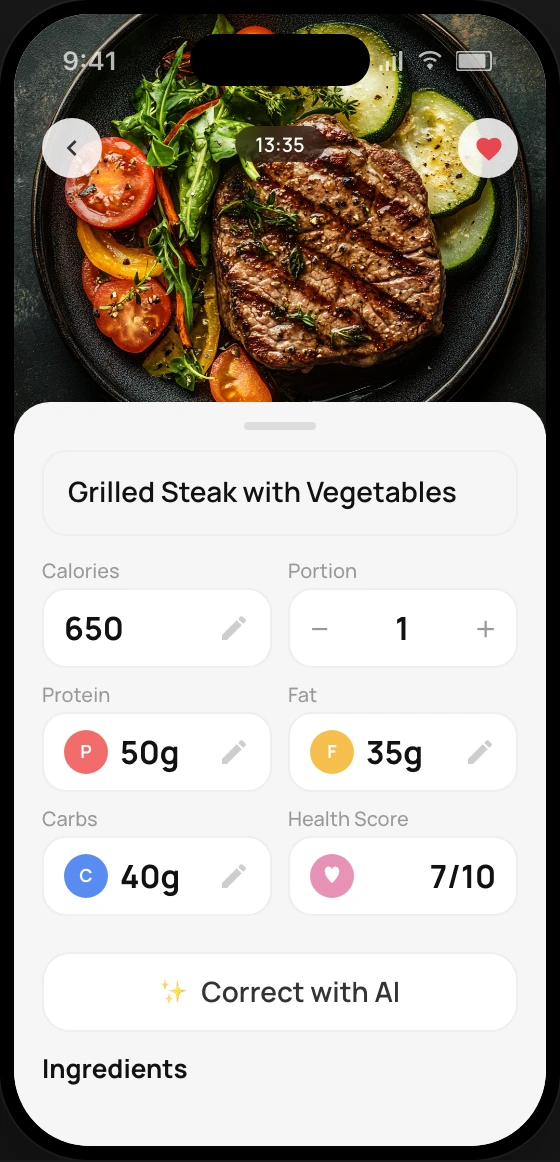
Snap a photo of your meal — CalZen AI instantly calculates calories, protein, carbs, and fat. No manual entry needed.