Broccoli is the vegetable that nutritionists most wish people would eat more of — and the numbers explain why. At just 34 kcal per 100 g, it delivers 2.8 g of protein (among the highest for any vegetable), 6.6 g of carbohydrates, 2.6 g of fiber, and only 0.4 g of fat. With 89.3 g of water and just 1.7 g of sugar, broccoli is essentially a low-calorie, high-nutrient vehicle that punches above its weight in virtually every micronutrient category. It belongs to the cruciferous family alongside cauliflower, kale, and Brussels sprouts, sharing their unique sulfur-containing compounds.
Vitamin C is remarkable at 89.2 mg per 100 g (about 99 % DV) — nearly as much as an orange in every serving of steamed broccoli. Vitamin K (101.6 mcg, roughly 85 % DV) is essential for blood clotting and directing calcium into bones. Vitamin A (31 mcg RAE) supports vision and immune function. Vitamin E (0.78 mg) adds fat-soluble antioxidant protection. Folate (63 mcg, about 16 % DV) drives DNA synthesis and cell division. Vitamin B6 (0.175 mg) aids neurotransmitter production. Potassium (316 mg) regulates blood pressure. Manganese (0.21 mg) and phosphorus (66 mg) support bone health. The real magic, however, is sulforaphane — a compound released when broccoli is chopped or chewed that has been shown in hundreds of studies to activate the body's detoxification pathways and support cellular defense mechanisms. Chopping and letting broccoli sit for 5 minutes before cooking maximizes sulforaphane production.
Steam broccoli for 3 to 4 minutes until bright green and still slightly firm — overcooking destroys vitamin C and sulforaphane while turning florets into gray mush. Add a sprinkle of mustard seed powder to cooked broccoli — it contains myrosinase, the enzyme needed to produce sulforaphane, replacing what heat destroyed. Roast broccoli at 220 °C for 20 minutes with olive oil and garlic until the edges char — the Maillard browning creates nutty, addictive flavors that convert broccoli skeptics. Eat the stems: peel the tough outer layer and slice the tender interior into coins or matchsticks for stir-fries — the stem actually contains more fiber than the florets. Store unwashed in a loosely closed bag in the crisper for up to five days.
| Nutrient | Per 100 g | Per serving |
|---|---|---|
| Calories | 34 kcal | 31 kcal |
| Protein | 2.8 g | 2.5 g |
| Fat | 0.4 g | 0.4 g |
| Carbohydrates | 6.6 g | 6.0 g |
| Fiber | 2.6 g | 2.4 g |
| Sugar | 1.7 g | 1.5 g |
| Water | 89.3 g | 81.3 g |
| Vitamins & Minerals | ||
| Vitamin C | 89.2 mg | 99% |
| Vitamin K | 101.6 µg | 85% |
| Vitamin A | 0.031 mg | 3% |
| Vitamin E | 0.78 mg | 5% |
| Vitamin B6 | 0.175 mg | 10% |
| Folate | 63 µg | 16% |
| Potassium | 316 mg | 7% |
| Manganese | 0.21 mg | 9% |
| Phosphorus | 66 mg | 5% |
| Serving | Calories | Protein | Fat | Carbohydrates |
|---|---|---|---|---|
| 100 g | 34 kcal | 2.8 g | 0.4 g | 6.6 g |
| 1 cup chopped (91 g) | 31 kcal | 2.5 g | 0.4 g | 6.0 g |
| 1 stalk (151 g) | 51 kcal | 4.2 g | 0.6 g | 10.0 g |
| Food | Calories | Protein | Fat | Carbohydrates |
|---|---|---|---|---|
| Broccoli | 34 kcal | 2.8 g | 0.4 g | 6.6 g |
| Cucumber | 15 kcal | 0.7 g | 0.1 g | 3.6 g |
| Zucchini | 17 kcal | 1.2 g | 0.3 g | 3.1 g |
| Tomato | 18 kcal | 0.9 g | 0.2 g | 3.9 g |
| Spinach | 23 kcal | 2.9 g | 0.4 g | 3.6 g |
Use our calorie calculator to find your daily calorie needs.
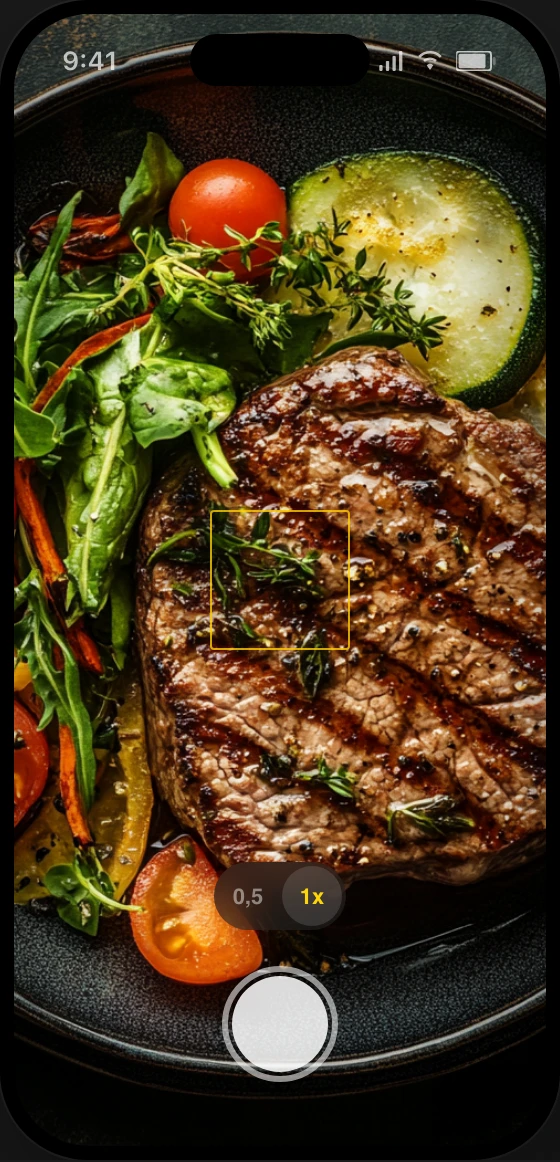
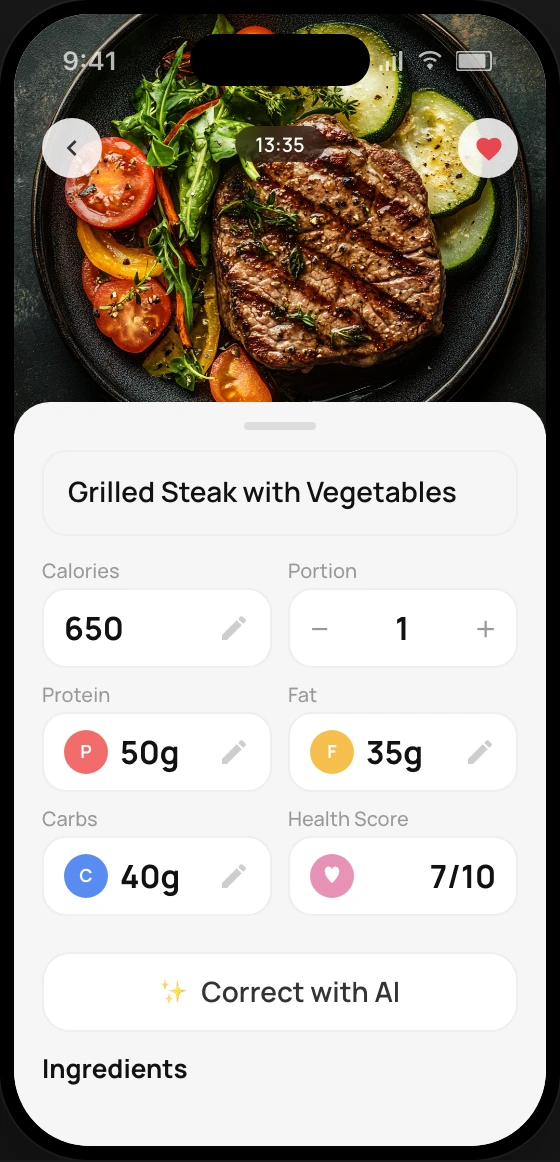
Snap a photo of your meal — CalZen AI instantly calculates calories, protein, carbs, and fat. No manual entry needed.