Eggplant is the sponge of the vegetable world — structurally porous and eager to absorb whatever flavors surround it. At 25 kcal per 100 g, it delivers 5.9 g of carbohydrates, 3.5 g of sugar, and an impressive 3 g of fiber — one of the highest fiber-to-calorie ratios in the produce aisle. With 1 g of protein, 0.2 g of fat, and 92.3 g of water, eggplant is calorie-light but texturally satisfying, especially when roasted or grilled until the interior turns silky and almost custard-like. That transformation from firm and bitter to melt-in-your-mouth is the cooking trick that separates great eggplant from mediocre.
Manganese leads at 0.232 mg per 100 g (about 10 % DV), activating antioxidant enzymes and supporting bone metabolism. Vitamin K (3.5 mcg) contributes to blood clotting. Folate (22 mcg) supports DNA synthesis and cell division. Potassium (229 mg) aids blood pressure regulation and muscle function. Vitamin C (2.2 mg) provides modest antioxidant support. The deep purple skin owes its color to nasunin, an anthocyanin that has been shown in research to protect cell membrane lipids from oxidative damage with particular effectiveness in brain tissue. Nasunin also chelates excess iron, which can generate harmful free radicals when unbound. Chlorogenic acid, another polyphenol abundant in eggplant, has demonstrated anti-inflammatory and blood-sugar-stabilizing properties in clinical studies.
Salt sliced eggplant and let it sit for 30 minutes before cooking — this draws out bitter liquid, collapses air pockets, and dramatically reduces oil absorption during frying or roasting. Without salting, eggplant acts like a sponge and can absorb up to four times its weight in oil. Roast halved eggplant cut-side down at 220 °C for 35 minutes until completely collapsed, then scoop out the flesh for baba ganoush — add tahini, lemon, garlic, and a drizzle of olive oil. Grill thick slices brushed with olive oil at high heat for 4 minutes per side for a smoky char that pairs beautifully with miso glaze or marinara. Do not eat raw eggplant — it contains solanine, which tastes bitter and can cause digestive discomfort. Store whole eggplant at room temperature and use within three days; refrigeration causes the flesh to deteriorate and develop brown spots faster.
| Nutrient | Per 100 g | Per serving |
|---|---|---|
| Calories | 25 kcal | 21 kcal |
| Protein | 1 g | 0.8 g |
| Fat | 0.2 g | 0.2 g |
| Carbohydrates | 5.9 g | 4.8 g |
| Fiber | 3 g | 2.5 g |
| Sugar | 3.5 g | 2.9 g |
| Water | 92.3 g | 75.7 g |
| Vitamins & Minerals | ||
| Vitamin C | 2.2 mg | 2% |
| Vitamin K | 3.5 µg | 3% |
| Manganese | 0.232 mg | 10% |
| Folate | 22 µg | 6% |
| Potassium | 229 mg | 5% |
| Serving | Calories | Protein | Fat | Carbohydrates |
|---|---|---|---|---|
| 100 g | 25 kcal | 1 g | 0.2 g | 5.9 g |
| 1 cup cubed (82 g) | 21 kcal | 0.8 g | 0.2 g | 4.8 g |
| Whole (458 g) | 115 kcal | 4.6 g | 0.9 g | 27.0 g |
| Food | Calories | Protein | Fat | Carbohydrates |
|---|---|---|---|---|
| Eggplant | 25 kcal | 1 g | 0.2 g | 5.9 g |
| Cucumber | 15 kcal | 0.7 g | 0.1 g | 3.6 g |
| Zucchini | 17 kcal | 1.2 g | 0.3 g | 3.1 g |
| Tomato | 18 kcal | 0.9 g | 0.2 g | 3.9 g |
| Spinach | 23 kcal | 2.9 g | 0.4 g | 3.6 g |
Use our calorie calculator to find your daily calorie needs.
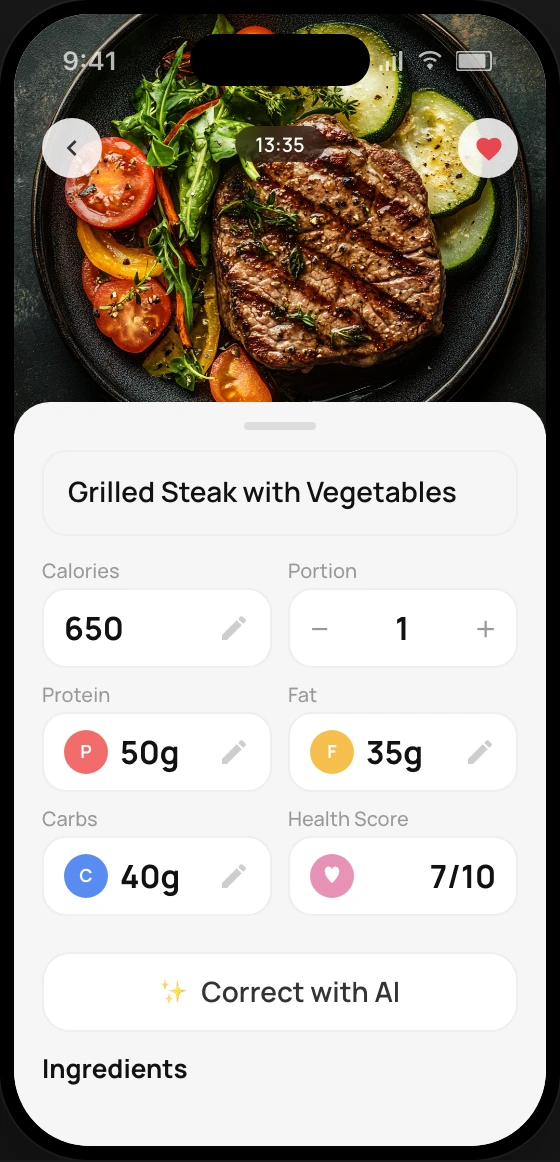
Snap a photo of your meal — CalZen AI instantly calculates calories, protein, carbs, and fat. No manual entry needed.