Ham has been a centerpiece of communal tables for centuries — from the smoked hams of Virginia and Westphalia to the air-cured prosciutto of Parma and jamon iberico of Spain. A 100 g serving of cooked lean ham delivers 145 kcal, 21.6 g of protein, and just 5.5 g of fat, with 1.5 g of carbohydrates from the curing sugars. That surprisingly lean macro profile makes ham a practical deli protein that competes favorably with chicken breast in calorie efficiency while offering a far more complex flavor profile thanks to the curing and smoking process.
Thiamin (vitamin B1) is the star micronutrient at 0.62 mg per 100 g — about 52% of the Daily Value — reflecting pork's natural B1 richness, which survives the curing process remarkably well. Thiamin is essential for carbohydrate metabolism and nervous system function. Vitamin B12 (0.64 mcg, 27% DV) supports DNA synthesis and nerve integrity. Selenium (23.3 mcg, 42% DV) activates thyroid hormones and antioxidant enzymes, while niacin (4.27 mg) and vitamin B6 (0.35 mg) maintain energy production and amino acid metabolism. Phosphorus (224 mg) strengthens bones, and potassium (287 mg) helps regulate heartbeat and fluid balance. Zinc (2.2 mg) supports immune defense, and iron (1.13 mg) in heme form aids oxygen transport. Sodium is notable at 1,203 mg per 100 g — inherent to the curing process — so portion awareness matters for those monitoring salt intake. Riboflavin (0.22 mg) and pantothenic acid (0.42 mg) complete the B-vitamin suite. Cholesterol is a modest 53 mg, lower than most other meats.
For a glazed holiday ham, score the surface in a diamond pattern, stud with cloves, and brush with a mixture of brown sugar, Dijon mustard, and apple cider vinegar. Bake at 165 °C (325 °F), basting every 20 minutes, until the internal temperature reaches 60 °C (140 °F) for a pre-cooked ham or 74 °C (165 °F) for a raw one. Thin deli-sliced ham makes an excellent high-protein, low-fat sandwich filling — pair it with Swiss cheese, whole-grain mustard, and arugula for a balanced lunch under 350 kcal. Dice leftover ham into omelets, fried rice, split pea soup, or quiche for a second-day protein boost. Because ham is already cured and salted, you rarely need to add extra salt when cooking with it — let the ham season the dish. Store sliced ham in the refrigerator for up to five days, wrapped tightly to prevent drying.
| Nutrient | Per 100 g | Per serving |
|---|---|---|
| Calories | 145 kcal | 41 kcal |
| Protein | 21.6 g | 6.0 g |
| Fat | 5.5 g | 1.5 g |
| Carbohydrates | 1.5 g | 0.4 g |
| Fiber | 0 g | 0.0 g |
| Sugar | 0 g | 0.0 g |
| Water | 70.9 g | 19.9 g |
| Vitamins & Minerals | ||
| Thiamin (B1) | 0.62 mg | 52% |
| Niacin (B3) | 4.27 mg | 27% |
| Vitamin B6 | 0.35 mg | 21% |
| Vitamin B12 | 0.64 µg | 27% |
| Riboflavin (B2) | 0.22 mg | 17% |
| Pantothenic Acid (B5) | 0.42 mg | 8% |
| Selenium | 23.3 µg | 42% |
| Phosphorus | 224 mg | 18% |
| Potassium | 287 mg | 6% |
| Sodium | 1203 mg | 52% |
| Zinc | 2.2 mg | 20% |
| Iron | 1.13 mg | 6% |
| Magnesium | 18 mg | 4% |
| Cholesterol | 53 mg | 18% |
| Serving | Calories | Protein | Fat | Carbohydrates |
|---|---|---|---|---|
| 100 g | 145 kcal | 21.6 g | 5.5 g | 1.5 g |
| 1 slice (28 g) | 41 kcal | 6.0 g | 1.5 g | 0.4 g |
| Thick slice (56 g) | 81 kcal | 12.1 g | 3.1 g | 0.8 g |
| Food | Calories | Protein | Fat | Carbohydrates |
|---|---|---|---|---|
| Ham | 145 kcal | 21.6 g | 5.5 g | 1.5 g |
| Turkey Breast | 135 kcal | 30.1 g | 1 g | 0 g |
| Chicken Breast | 165 kcal | 31 g | 3.6 g | 0 g |
| Chicken Thigh | 209 kcal | 26 g | 10.9 g | 0 g |
| Pork (loin) | 242 kcal | 27.3 g | 14 g | 0 g |
Use our calorie calculator to find your daily calorie needs.
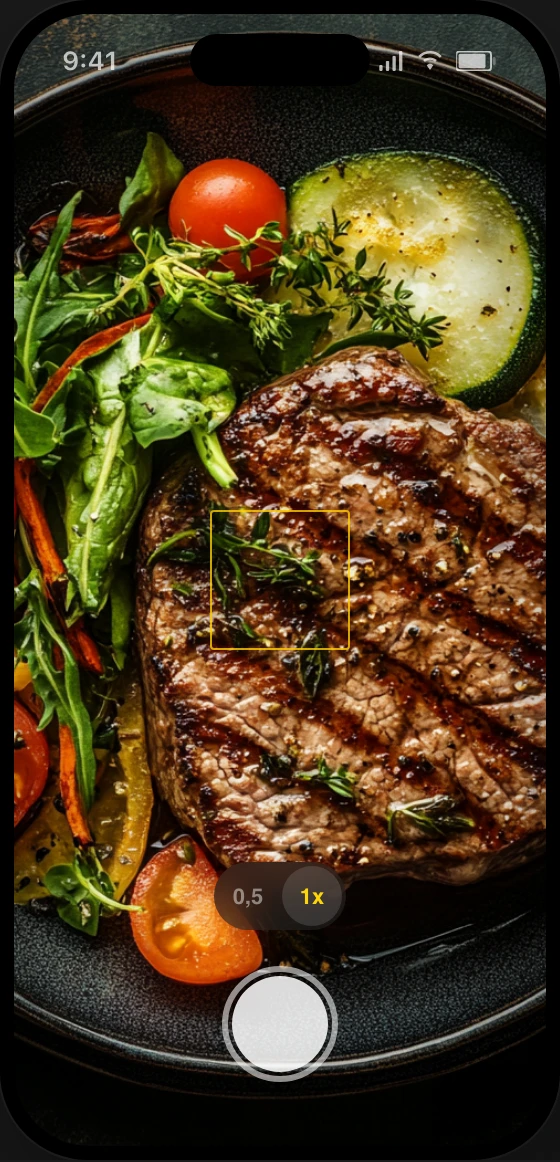
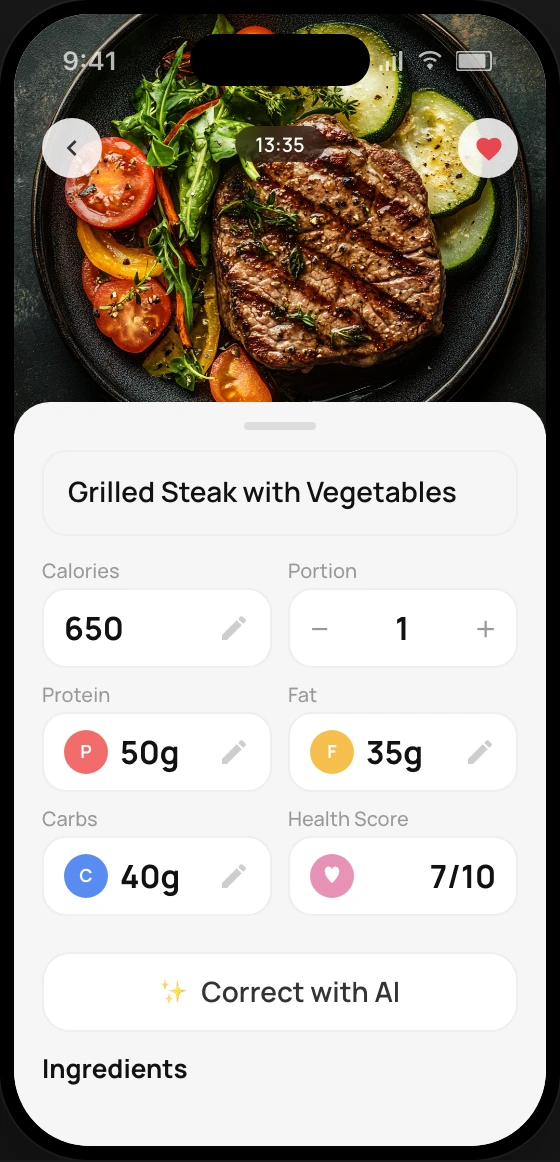
Snap a photo of your meal — CalZen AI instantly calculates calories, protein, carbs, and fat. No manual entry needed.