Tuna is the lean protein powerhouse of the ocean — at 132 kcal per 100 g with a striking 28.2 g of protein and merely 1.3 g of fat, it packs more protein per calorie than almost any other whole food, including chicken breast. This has made tuna a fixture in the diets of bodybuilders, wrestlers, and anyone navigating a serious calorie deficit. Bluefin tuna can reach speeds of 75 km/h and cross entire oceans — that extraordinary muscular machinery translates directly into the dense, iron-rich flesh prized in sashimi bars from Tokyo to New York.
Selenium is the headline micronutrient at a staggering 90.6 mcg per 100 g — 165% of the Daily Value — making tuna one of the richest dietary selenium sources on earth. Selenium powers the glutathione peroxidase and thioredoxin reductase enzyme systems, protecting cells from oxidative damage and supporting thyroid function. Niacin (10.5 mg, 66% DV) drives NAD+-dependent energy production and DNA repair. Vitamin B12 (2.08 mcg, 87% DV) is essential for nerve myelination and red blood cell maturation, while vitamin B6 (0.46 mg, 27% DV) supports hemoglobin synthesis and neurotransmitter production. Phosphorus (254 mg) and potassium (252 mg) maintain skeletal integrity and regulate cardiac rhythm. Magnesium (64 mg, 15% DV) is notably high for a fish, supporting over 600 enzymatic reactions including muscle contraction and glucose metabolism. Iron (1.02 mg) in the heme form and zinc (0.63 mg) contribute to oxygen transport and immune function. Vitamin D (1.7 mcg) adds modest support for calcium absorption. Cholesterol is low at 47 mg. Pantothenic acid (0.28 mg) and riboflavin (0.12 mg) complete the B-vitamin profile.
Fresh tuna steaks deserve to be treated more like a good steak than a piece of fish. Season with salt and pepper, brush with a thin coat of oil, and sear on a blazing-hot grill or cast-iron pan for 60-90 seconds per side. The goal is a deeply caramelized crust with a cool, ruby-red center — internal temperature around 43 °C (110 °F) for rare. Overcooked tuna becomes dry, chalky, and loses its silky texture entirely. For a Japanese-inspired preparation, coat the steak in sesame seeds before searing, slice thinly, and serve with soy, wasabi, and pickled ginger. Canned tuna in water is the budget-friendly protein staple: drain well, mix with Greek yogurt instead of mayonnaise, add Dijon mustard and celery, and you have a high-protein salad in two minutes. Be mindful of mercury, especially in albacore and bluefin — light (skipjack) tuna has roughly one-third the mercury. Store fresh tuna in the coldest part of the refrigerator and consume within one day of purchase.
| Nutrient | Per 100 g | Per serving |
|---|---|---|
| Calories | 132 kcal | 187 kcal |
| Protein | 28.2 g | 40.0 g |
| Fat | 1.3 g | 1.8 g |
| Carbohydrates | 0 g | 0.0 g |
| Fiber | 0 g | 0.0 g |
| Sugar | 0 g | 0.0 g |
| Water | 69.4 g | 98.5 g |
| Vitamins & Minerals | ||
| Vitamin B12 | 2.08 µg | 87% |
| Niacin (B3) | 10.5 mg | 66% |
| Vitamin B6 | 0.46 mg | 27% |
| Vitamin D | 1.7 µg | 9% |
| Riboflavin (B2) | 0.12 mg | 9% |
| Pantothenic Acid (B5) | 0.28 mg | 6% |
| Selenium | 90.6 µg | 165% |
| Phosphorus | 254 mg | 20% |
| Potassium | 252 mg | 5% |
| Magnesium | 64 mg | 15% |
| Iron | 1.02 mg | 6% |
| Zinc | 0.63 mg | 6% |
| Cholesterol | 47 mg | 16% |
| Serving | Calories | Protein | Fat | Carbohydrates |
|---|---|---|---|---|
| 100 g | 132 kcal | 28.2 g | 1.3 g | 0 g |
| 1 can (drained) (142 g) | 187 kcal | 40.0 g | 1.8 g | 0.0 g |
| 1 fillet (154 g) | 203 kcal | 43.4 g | 2.0 g | 0.0 g |
| Food | Calories | Protein | Fat | Carbohydrates |
|---|---|---|---|---|
| Tuna | 132 kcal | 28.2 g | 1.3 g | 0 g |
| Cod | 82 kcal | 17.8 g | 0.7 g | 0 g |
| Shrimp | 99 kcal | 24 g | 0.3 g | 0.2 g |
| Herring | 158 kcal | 18 g | 9 g | 0 g |
| Trout | 190 kcal | 20.5 g | 11.5 g | 0 g |
Use our calorie calculator to find your daily calorie needs.
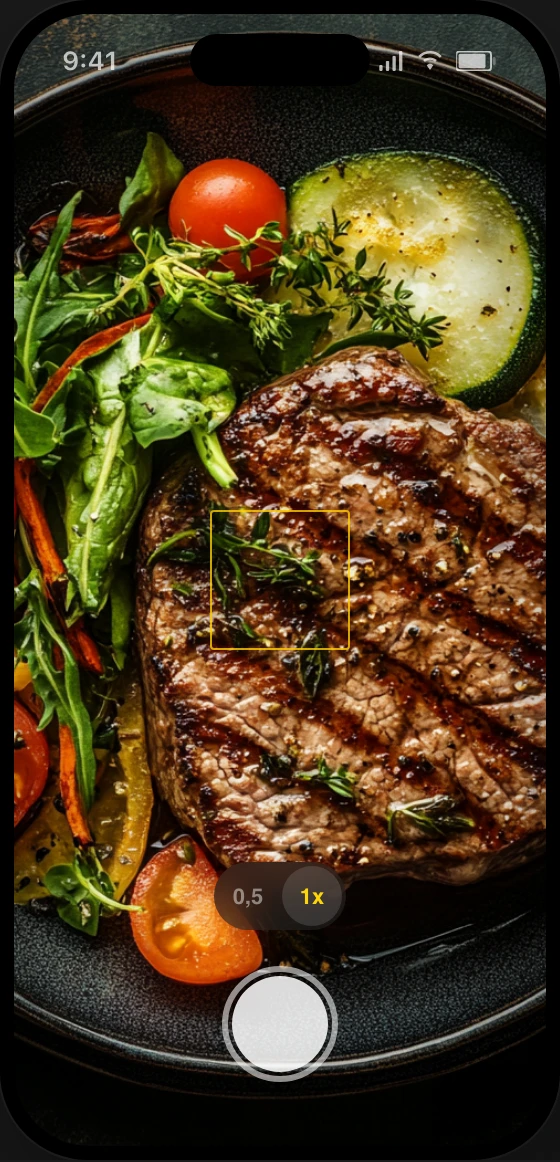
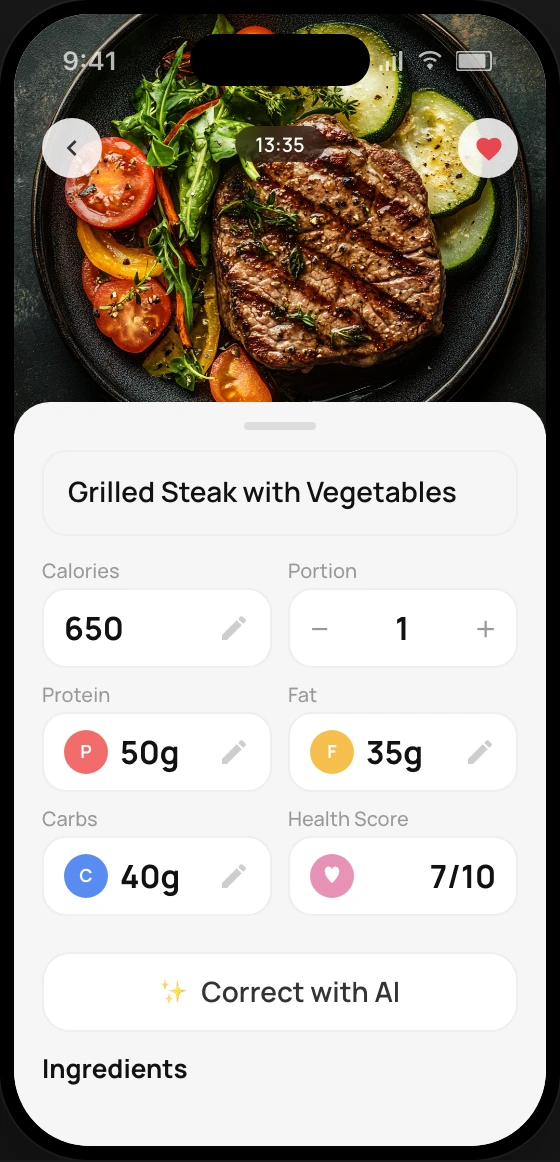
Snap a photo of your meal — CalZen AI instantly calculates calories, protein, carbs, and fat. No manual entry needed.