Sardines are a nutritional overachiever packed into a small, silver package. At 208 kcal per 100 g with 24.6 g of protein and 11.5 g of fat, they deliver omega-3 fatty acids, bone-building calcium, and more vitamin B12 per gram than almost any other common food. Because sardines are eaten whole — bones, skin, and all — they provide minerals that filleted fish cannot. They sit near the bottom of the marine food chain, which means they accumulate far less mercury than tuna or swordfish, making them one of the safest fish you can eat regularly.
Vitamin B12 is staggering at 8.94 mcg per 100 g — 373% of the Daily Value — fueling nerve myelination, DNA replication, and red blood cell formation at levels that far exceed any possible deficiency threshold. Calcium (382 mg, 38% DV) from the edible bones rivals a glass of milk and is accompanied by phosphorus (490 mg, 70% DV), forming the hydroxyapatite crystal lattice that gives bones their strength. Selenium (52.7 mcg, 96% DV) provides near-total daily antioxidant coverage through the glutathione peroxidase system. Iron (2.92 mg) in heme form is among the highest of any fish, making sardines especially valuable for preventing anemia. Potassium (397 mg) supports cardiovascular rhythm and blood pressure regulation, while magnesium (39 mg) aids muscle relaxation and energy production. Niacin (5.24 mg) drives cellular energy metabolism. Vitamin D (4.8 mcg, 32% DV) supports calcium absorption, creating a synergistic bone-health package within a single food. Zinc (1.31 mg) contributes to immune defense, and sodium is notable at 307 mg, mostly from canning brine. Cholesterol is 142 mg. Riboflavin (0.23 mg) and vitamin B6 (0.17 mg) complete the B-vitamin lineup.
Canned sardines are the entry point for most people, and there is nothing wrong with that — the canning process softens the bones (making them fully edible and a major calcium source) and preserves nearly all the nutritional value. Choose sardines packed in olive oil for the richest flavor, or in water for fewer calories. For a Mediterranean-style snack, layer canned sardines on crusty bread with sliced tomato, red onion, a drizzle of olive oil, and a squeeze of lemon — it takes two minutes and delivers 25+ grams of protein. Fresh sardines are a revelation on the grill: gut and scale them, brush with olive oil, season with coarse salt and lemon zest, and grill over high heat for 2-3 minutes per side until the skin blisters. Sardines pair naturally with pungent, acidic ingredients — capers, Dijon mustard, vinegar, fresh parsley, and garlic all complement their bold flavor. Mash canned sardines with avocado for a nutrient-dense toast topping. Fresh sardines are highly perishable — buy them with clear eyes and firm flesh, and cook within a day of purchase.
| Nutrient | Per 100 g | Per serving |
|---|---|---|
| Calories | 208 kcal | 191 kcal |
| Protein | 24.6 g | 22.6 g |
| Fat | 11.5 g | 10.6 g |
| Carbohydrates | 0 g | 0.0 g |
| Fiber | 0 g | 0.0 g |
| Sugar | 0 g | 0.0 g |
| Water | 59.6 g | 54.8 g |
| Vitamins & Minerals | ||
| Vitamin B12 | 8.94 µg | 373% |
| Vitamin D | 4.8 µg | 24% |
| Niacin (B3) | 5.24 mg | 33% |
| Vitamin B6 | 0.17 mg | 10% |
| Riboflavin (B2) | 0.23 mg | 18% |
| Calcium | 382 mg | 29% |
| Selenium | 52.7 µg | 96% |
| Phosphorus | 490 mg | 39% |
| Potassium | 397 mg | 8% |
| Iron | 2.92 mg | 16% |
| Zinc | 1.31 mg | 12% |
| Magnesium | 39 mg | 9% |
| Sodium | 307 mg | 13% |
| Cholesterol | 142 mg | 47% |
| Serving | Calories | Protein | Fat | Carbohydrates |
|---|---|---|---|---|
| 100 g | 208 kcal | 24.6 g | 11.5 g | 0 g |
| 1 can (drained) (92 g) | 191 kcal | 22.6 g | 10.6 g | 0.0 g |
| 1 piece (12 g) | 25 kcal | 3.0 g | 1.4 g | 0.0 g |
| Food | Calories | Protein | Fat | Carbohydrates |
|---|---|---|---|---|
| Sardine | 208 kcal | 24.6 g | 11.5 g | 0 g |
| Cod | 82 kcal | 17.8 g | 0.7 g | 0 g |
| Shrimp | 99 kcal | 24 g | 0.3 g | 0.2 g |
| Tuna | 132 kcal | 28.2 g | 1.3 g | 0 g |
| Herring | 158 kcal | 18 g | 9 g | 0 g |
Use our calorie calculator to find your daily calorie needs.
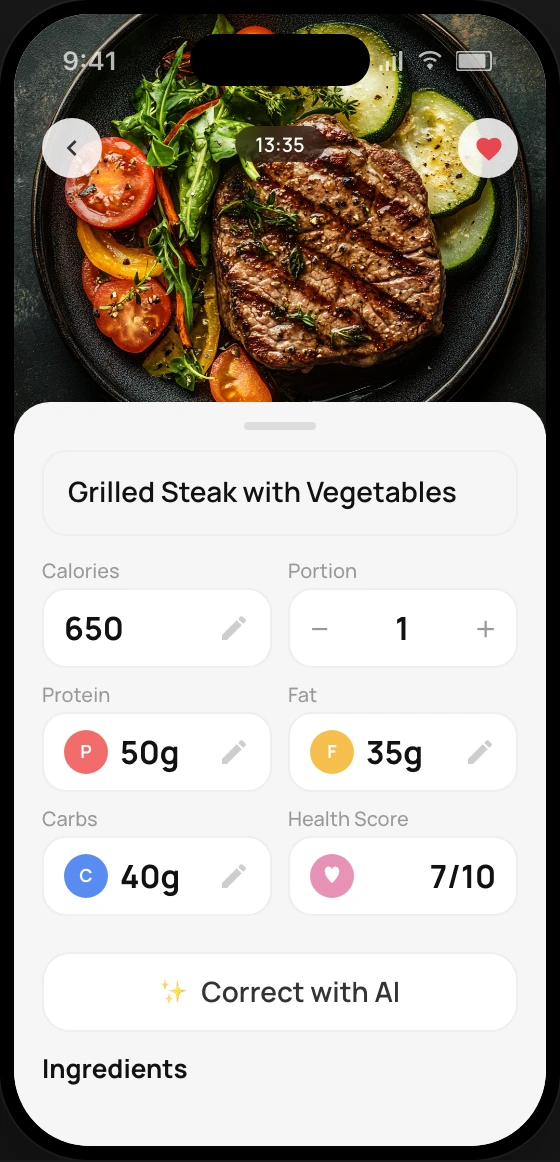
Snap a photo of your meal — CalZen AI instantly calculates calories, protein, carbs, and fat. No manual entry needed.