Meatloaf is the quintessential American weeknight dinner — a no-fuss, one-pan monument to home cooking that has anchored kitchen tables since the late 1800s. At 204 kcal per 100 g, it delivers 14 g of protein, 12 g of fat, 8 g of carbohydrates (from the breadcrumb binder), and 0.5 g of fiber. Born from the practical necessity of stretching ground meat with bread and eggs, meatloaf became a Depression-era staple and never left — it is still one of the most-searched dinner recipes in America. The genius is in the format: a loaf shape maximizes the crust-to-interior ratio, creating caramelized edges that contrast with a tender, juicy center. The 60 g of water keeps it moist throughout.
Zinc (3.8 mg, 35% DV) is meatloaf's star mineral, essential for immune function and the activity of over 300 enzymes. Selenium (18 mcg, 33% DV) powers the body's glutathione antioxidant system. Iron (2.1 mg, 12% DV) is the highly bioavailable heme form from ground beef. Vitamin B12 (1.8 mcg, 75% DV) supports nerve function and red blood cell formation — one of the most critical nutrients that only animal foods provide in meaningful amounts. Sodium (450 mg, 20% DV) comes from the Worcestershire sauce, ketchup glaze, and seasoning. Potassium (260 mg) supports blood pressure regulation. The egg binder contributes choline, a nutrient essential for liver function and brain development that over 90% of Americans fail to consume in adequate quantities.
The cardinal sin of meatloaf is a dense, dry loaf — and the fix is simple: use a panade. Soak 2 slices of white bread in 120 ml of milk until mushy, then mix into 700 g of ground beef (80/20 lean-to-fat) with 1 egg, diced onion sautéed until soft, Worcestershire sauce, salt, and pepper. Mix gently with your hands — overworking develops the meat proteins and creates a tough texture. Form into a freestanding loaf on a sheet pan (not in a loaf pan, which steams the sides instead of browning them). Glaze with a mixture of ketchup, brown sugar, and a splash of vinegar. Bake at 180°C (350°F) for 55-65 minutes until the internal temperature reaches 71°C (160°F). Let it rest for 10 minutes before slicing — cutting immediately loses all the juices. Leftover meatloaf makes one of the best cold sandwiches in American cooking: thick slices on white bread with mayo and pickles.
| Nutrient | Per 100 g | Per serving |
|---|---|---|
| Calories | 204 kcal | 306 kcal |
| Protein | 14 g | 21.0 g |
| Fat | 12 g | 18.0 g |
| Carbohydrates | 8 g | 12.0 g |
| Fiber | 0.5 g | 0.8 g |
| Sugar | 2.5 g | 3.8 g |
| Water | 60 g | 90.0 g |
| Vitamins & Minerals | ||
| Sodium | 450 mg | 20% |
| Iron | 2.1 mg | 12% |
| Zinc | 3.8 mg | 35% |
| Vitamin B12 | 1.8 µg | 75% |
| Potassium | 260 mg | 6% |
| Selenium | 18 µg | 33% |
| Serving | Calories | Protein | Fat | Carbohydrates |
|---|---|---|---|---|
| 100 g | 204 kcal | 14 g | 12 g | 8 g |
| 1 slice (150 g) | 306 kcal | 21.0 g | 18.0 g | 12.0 g |
| Thick slice (200 g) | 408 kcal | 28.0 g | 24.0 g | 16.0 g |
| Food | Calories | Protein | Fat | Carbohydrates |
|---|---|---|---|---|
| Meatloaf | 204 kcal | 14 g | 12 g | 8 g |
| Clam Chowder | 82 kcal | 4.5 g | 3.5 g | 8 g |
| Coleslaw | 99 kcal | 0.8 g | 7.5 g | 7 g |
| Shepherd's Pie | 110 kcal | 6.5 g | 5 g | 10 g |
| Mac and Cheese | 164 kcal | 6.5 g | 8 g | 16 g |
Use our calorie calculator to find your daily calorie needs.
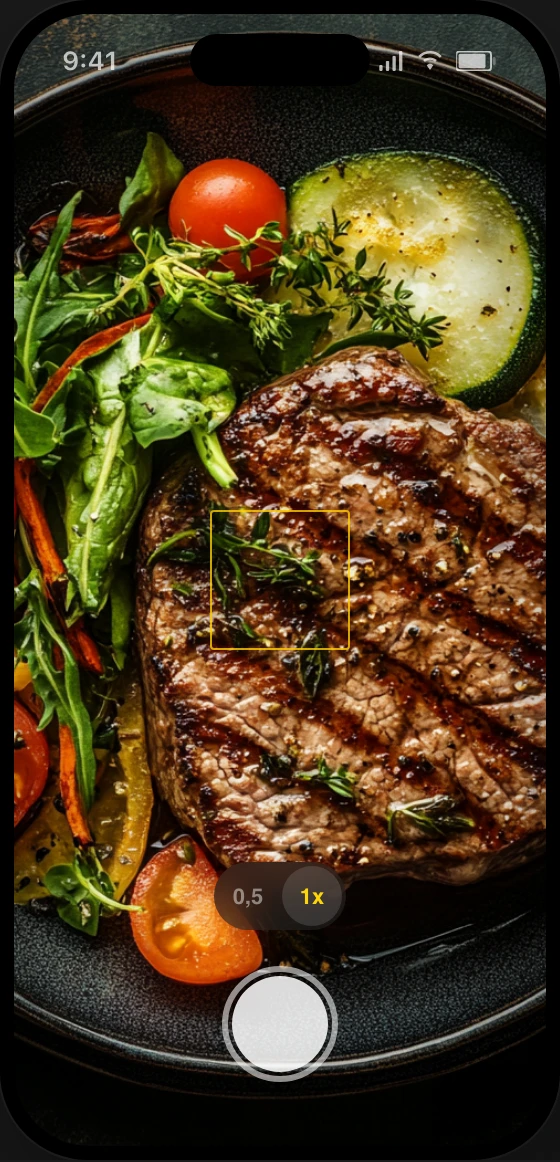
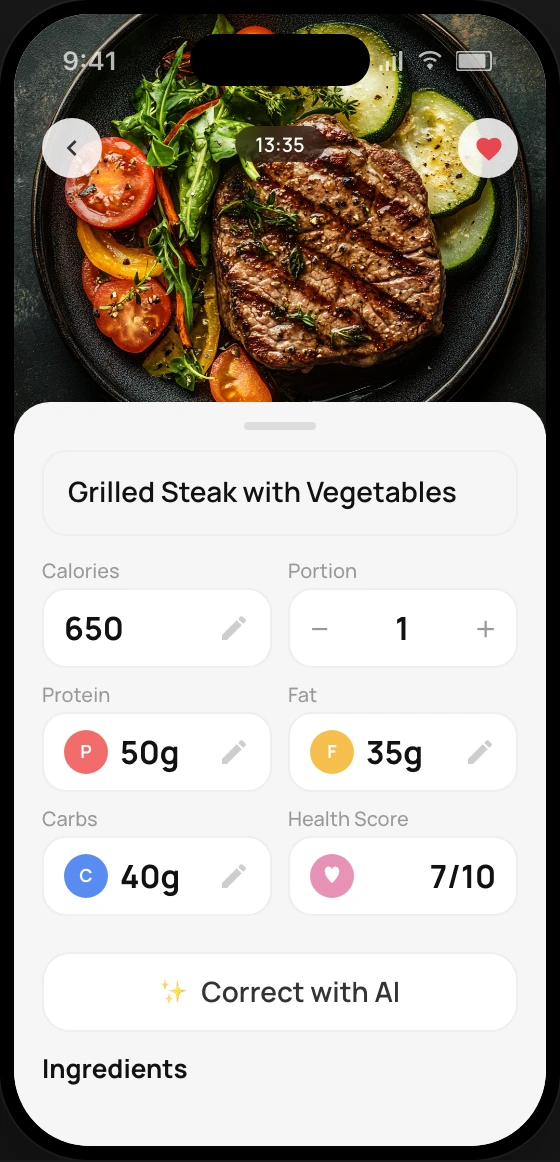
Snap a photo of your meal — CalZen AI instantly calculates calories, protein, carbs, and fat. No manual entry needed.