Roast chicken is the Sunday dinner that has anchored American family life for generations — a whole bird, golden and crackling from the oven, that fills the house with the most universally appealing cooking aroma imaginable. At 190 kcal per 100 g, it delivers a clean 25 g of protein, 10 g of fat, zero carbohydrates, and zero fiber — making it one of the most efficient whole-food protein sources available. The culinary legend Julia Child called roast chicken the measure of a cook's skill, and she was right: it appears simple but rewards technique dramatically. With 62 g of water, properly roasted chicken maintains that juicy, succulent texture that separates a great roast from a dry disappointment.
Niacin (8.5 mg, 53% DV) is roast chicken's standout vitamin, driving over 400 metabolic reactions including energy production and DNA repair. Selenium (25 mcg, 45% DV) activates the glutathione peroxidase antioxidant system. B6 (0.48 mg, 28% DV) supports over 100 enzyme reactions including neurotransmitter synthesis. Phosphorus (210 mg, 30% DV) builds bone and powers cellular energy production. Potassium (250 mg) supports heart rhythm and blood pressure. Sodium (340 mg) is moderate — mostly from seasoning. Chicken also provides meaningful vitamin B12, zinc, riboflavin, and pantothenic acid beyond the headline data. The protein is complete — containing all nine essential amino acids in proportions the human body readily uses — with a biological value close to that of egg protein, the gold standard.
The single most important technique is drying the skin: pat the bird thoroughly with paper towels, then leave it uncovered in the refrigerator for 12-24 hours (or at minimum, 1 hour). Dry skin is the only path to crispy skin. Season generously with salt — including inside the cavity — and add aromatics: a halved lemon, crushed garlic, and fresh herbs stuffed inside. Truss the legs with kitchen twine for even cooking. Roast at 220°C (425°F) for the first 20 minutes to get the skin browning, then reduce to 190°C (375°F) until the thickest part of the thigh reaches 74°C (165°F) on an instant-read thermometer — roughly 20 minutes per 500 g total. Rest for 15-20 minutes, tented loosely with foil. This rest is non-negotiable: cutting immediately sends juices flooding onto the cutting board instead of staying in the meat. Save the carcass for stock — simmer with onion, carrot, celery, and water for 3-4 hours for liquid gold.
| Nutrient | Per 100 g | Per serving |
|---|---|---|
| Calories | 190 kcal | 323 kcal |
| Protein | 25 g | 42.5 g |
| Fat | 10 g | 17.0 g |
| Carbohydrates | 0 g | 0.0 g |
| Fiber | 0 g | 0.0 g |
| Sugar | 0 g | 0.0 g |
| Water | 62 g | 105.4 g |
| Vitamins & Minerals | ||
| Sodium | 340 mg | 15% |
| Potassium | 250 mg | 5% |
| Phosphorus | 210 mg | 17% |
| Vitamin B6 | 0.48 mg | 28% |
| Niacin (B3) | 8.5 mg | 53% |
| Selenium | 25 µg | 45% |
| Serving | Calories | Protein | Fat | Carbohydrates |
|---|---|---|---|---|
| 100 g | 190 kcal | 25 g | 10 g | 0 g |
| 1 breast (170 g) | 323 kcal | 42.5 g | 17.0 g | 0.0 g |
| 1 thigh (110 g) | 209 kcal | 27.5 g | 11.0 g | 0.0 g |
| serving (140 g) | 266 kcal | 35.0 g | 14.0 g | 0.0 g |
| Food | Calories | Protein | Fat | Carbohydrates |
|---|---|---|---|---|
| Roast Chicken | 190 kcal | 25 g | 10 g | 0 g |
| Clam Chowder | 82 kcal | 4.5 g | 3.5 g | 8 g |
| Coleslaw | 99 kcal | 0.8 g | 7.5 g | 7 g |
| Shepherd's Pie | 110 kcal | 6.5 g | 5 g | 10 g |
| Mac and Cheese | 164 kcal | 6.5 g | 8 g | 16 g |
Use our calorie calculator to find your daily calorie needs.
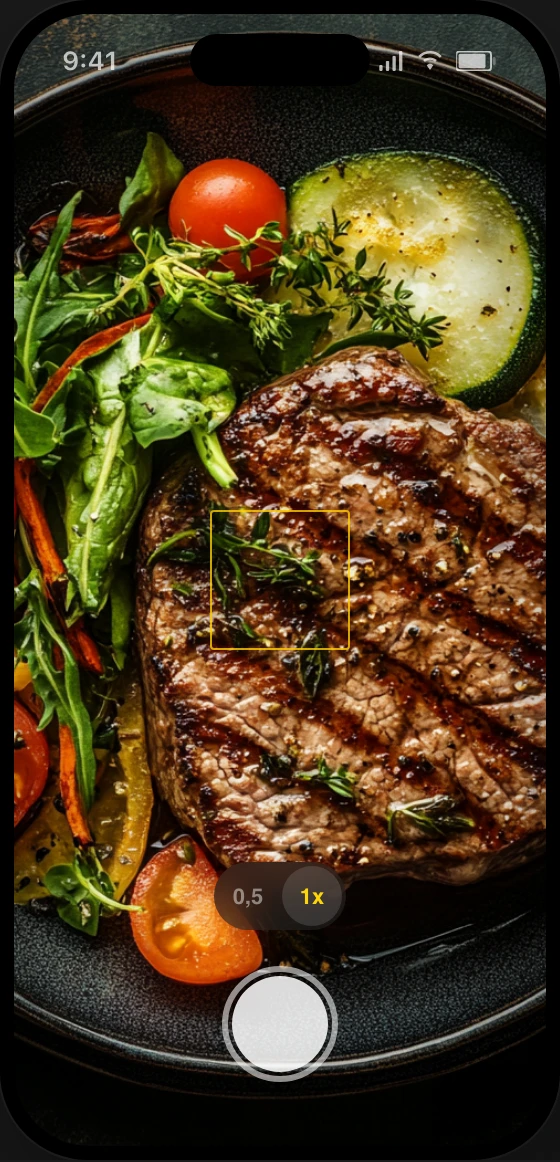
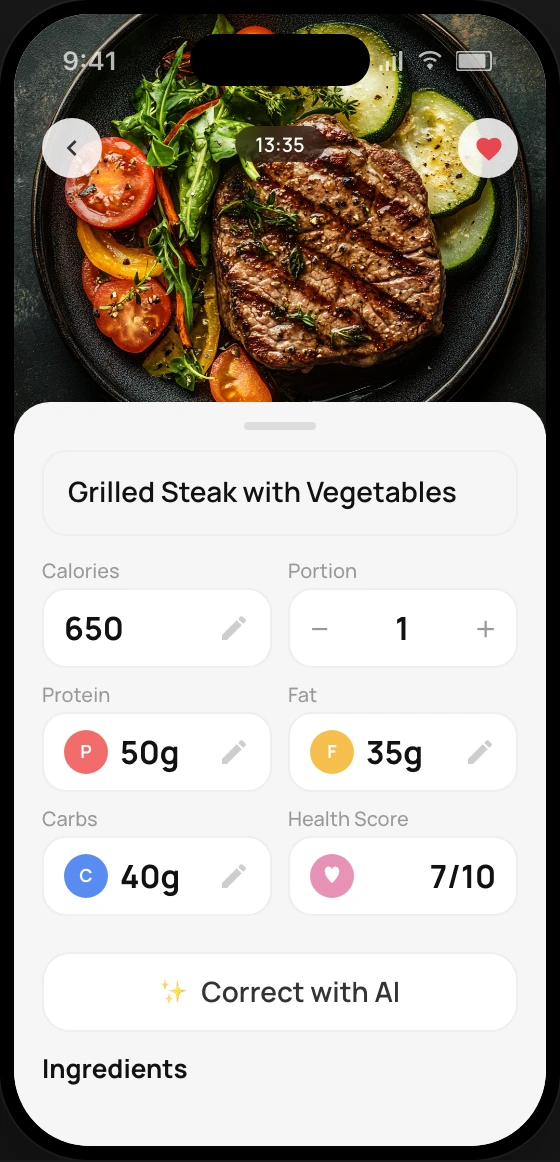
Snap a photo of your meal — CalZen AI instantly calculates calories, protein, carbs, and fat. No manual entry needed.