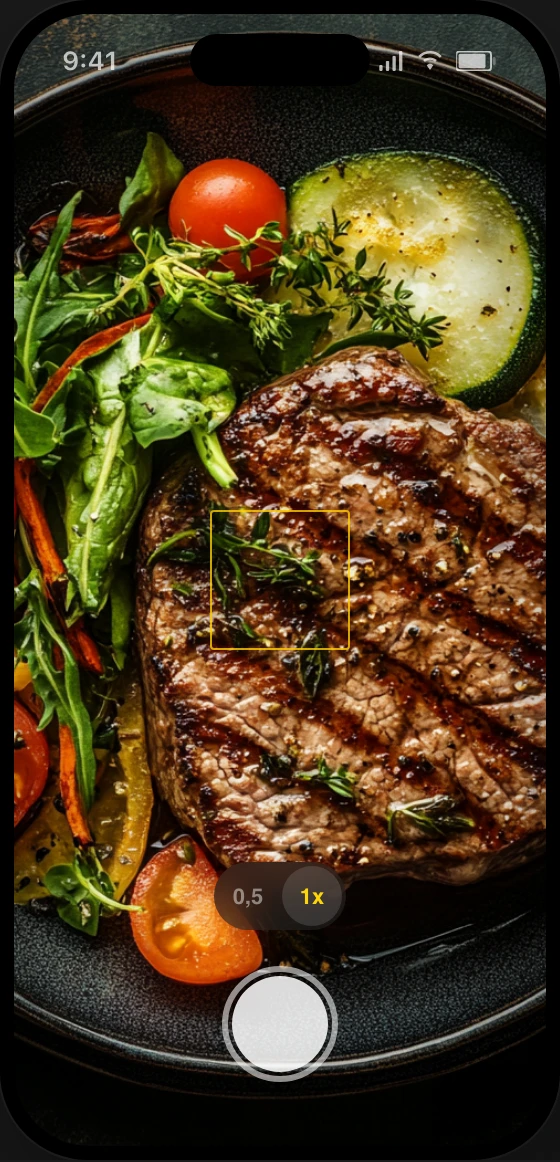
Pulled pork is the crown jewel of American barbecue — a testament to the transformative power of time and low heat on a tough, inexpensive cut of pork shoulder. At 210 kcal per 100 g, it delivers an impressive 22 g of protein, 13 g of fat, and just 2 g of carbohydrates. The process is almost alchemical: 8-14 hours of smoking at 107-121°C (225-250°F) breaks down the dense collagen in the pork shoulder into gelatin, turning an otherwise chewy cut into strands of meat so tender they can be "pulled" apart with forks. Every barbecue region in America claims the best pulled pork — the Carolinas argue over vinegar versus mustard versus tomato sauce, while Memphis and Kansas City add their own twists. With 58 g of water, the meat stays remarkably moist despite hours of cooking.
Zinc (4.2 mg, 38% DV) from the pork is essential for immune function, wound healing, and DNA synthesis. Sodium (520 mg, 23% DV) is significant, reflecting the dry rub and any sauce. Phosphorus (200 mg, 29% DV) contributes to bone structure and cellular energy. Potassium (300 mg) supports cardiovascular rhythm and fluid balance. B6 (0.45 mg, 26% DV) powers over 100 enzyme reactions including neurotransmitter production. Iron (1.5 mg, 8% DV) aids oxygen transport. Pork is also one of the best dietary sources of thiamin (not reflected in the cooked values due to heat loss), supporting the nervous system and carbohydrate metabolism. The slow-cooking process creates a significant amount of bioavailable collagen and gelatin, which may support joint health and gut lining integrity.
Select a bone-in pork shoulder (Boston butt) of 3-4 kg — the bone adds flavor and provides a visual doneness indicator. Apply a generous dry rub the night before: brown sugar, paprika, garlic powder, onion powder, cumin, black pepper, salt, and a touch of cayenne. Smoke at 110°C (225°F) using hickory or applewood — the "low and slow" mantra is non-negotiable. Expect 1.5 hours per pound. You will hit the "stall" at around 68°C (155°F) internal temperature where evaporative cooling stalls the temperature rise — power through it or wrap in butcher paper (the "Texas crutch") to push past. The meat is done at 93-96°C (200-205°F) internal, when a probe slides in like butter. Rest for 30 minutes minimum before pulling. For oven-based pulled pork, braise in a covered Dutch oven at 150°C (300°F) for 4-5 hours. Leftovers freeze beautifully for up to 3 months.
| Nutrient | Per 100 g | Per serving |
|---|---|---|
| Calories | 210 kcal | 294 kcal |
| Protein | 22 g | 30.8 g |
| Fat | 13 g | 18.2 g |
| Carbohydrates | 2 g | 2.8 g |
| Fiber | 0.1 g | 0.1 g |
| Sugar | 1.5 g | 2.1 g |
| Water | 58 g | 81.2 g |
| Vitamins & Minerals | ||
| Sodium | 520 mg | 23% |
| Zinc | 4.2 mg | 38% |
| Iron | 1.5 mg | 8% |
| Vitamin B6 | 0.45 mg | 26% |
| Phosphorus | 200 mg | 16% |
| Potassium | 300 mg | 6% |
| Serving | Calories | Protein | Fat | Carbohydrates |
|---|---|---|---|---|
| 100 g | 210 kcal | 22 g | 13 g | 2 g |
| serving (140 g) | 294 kcal | 30.8 g | 18.2 g | 2.8 g |
| sandwich (200 g) | 420 kcal | 44.0 g | 26.0 g | 4.0 g |
| Food | Calories | Protein | Fat | Carbohydrates |
|---|---|---|---|---|
| Pulled Pork | 210 kcal | 22 g | 13 g | 2 g |
| Clam Chowder | 82 kcal | 4.5 g | 3.5 g | 8 g |
| Coleslaw | 99 kcal | 0.8 g | 7.5 g | 7 g |
| Shepherd's Pie | 110 kcal | 6.5 g | 5 g | 10 g |
| Mac and Cheese | 164 kcal | 6.5 g | 8 g | 16 g |
Use our calorie calculator to find your daily calorie needs.
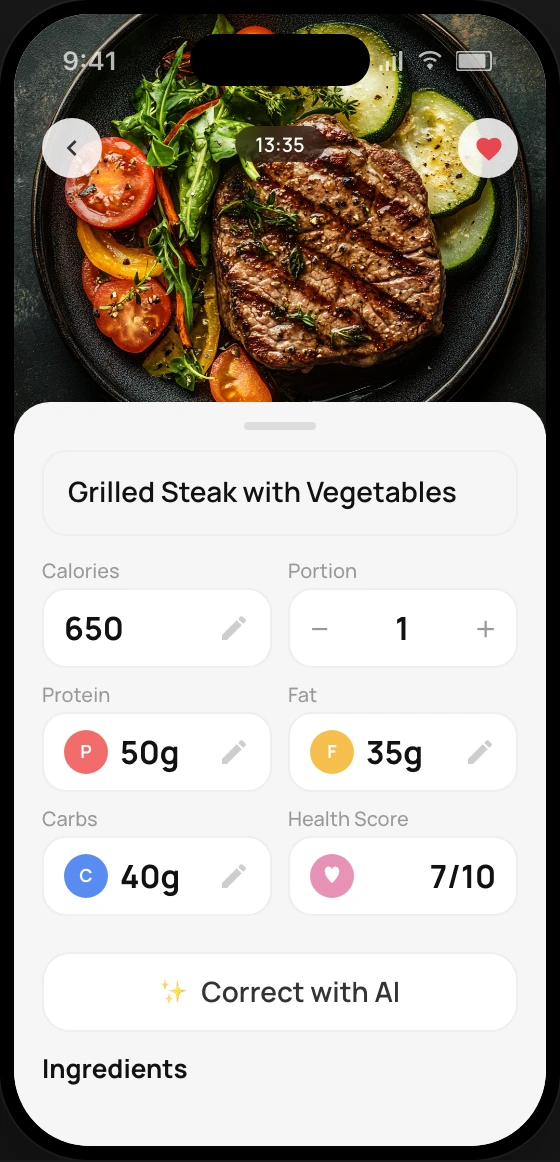
Snap a photo of your meal — CalZen AI instantly calculates calories, protein, carbs, and fat. No manual entry needed.