Olive oil is liquid gold in the truest sense — pressed from the fruit of trees that can live for a thousand years, it has been the cornerstone of Mediterranean cuisine and medicine since ancient Greece, where athletes rubbed it on their bodies and Hippocrates prescribed it for dozens of ailments. At 884 kcal per 100 g of pure fat (100 g fat, zero protein, zero carbs), olive oil is the most calorie-dense pantry staple, yet its health benefits are among the most robustly documented in all of nutrition science. Populations consuming olive oil as their primary fat source consistently show lower rates of heart disease, stroke, and neurodegenerative decline.
Vitamin E is the star micronutrient at 14.35 mg per 100 g — 96% of the Daily Value — functioning as a powerful fat-soluble antioxidant that protects cell membranes from lipid peroxidation. Each molecule of vitamin E neutralizes free radicals in the lipid bilayer, preventing the chain reaction of oxidative damage that accelerates aging and chronic disease. Vitamin K (60.2 mcg, 50% DV) is equally impressive, playing a dual role in blood coagulation and directing calcium away from arteries into bones. Iron (0.56 mg) provides trace mineral support. Beyond the micronutrients tracked in standard databases, extra virgin olive oil contains over 30 polyphenolic compounds — including oleocanthal (which mimics ibuprofen's anti-inflammatory action), hydroxytyrosol (one of the most potent natural antioxidants known), and oleuropein — that work synergistically to reduce LDL oxidation, lower blood pressure, and protect endothelial function. The fat profile is approximately 73% oleic acid (monounsaturated), 11% polyunsaturated, and 14% saturated.
Buy extra virgin olive oil (EVOO) in dark glass bottles or tins — light accelerates oxidation and degrades the polyphenols that make it beneficial. Look for a harvest date on the label rather than just a "best by" date; EVOO is best consumed within 12-18 months of harvest. Despite a common myth, extra virgin olive oil is perfectly fine for cooking at normal temperatures — its smoke point is around 190-215 °C (375-420 °F), well above the range for sauteing, roasting, and even most frying. The polyphenols actually protect the oil from breaking down under heat. Use generously: drizzle over roasted vegetables, finish soups and grains, dress salads, dip bread, or pour over hummus. For a simple but extraordinary vinaigrette, whisk three parts EVOO with one part acid (lemon juice or vinegar), salt, pepper, and a touch of Dijon mustard. Store in a cool, dark place — never next to the stove — and use within two months of opening for peak freshness.
| Nutrient | Per 100 g | Per serving |
|---|---|---|
| Calories | 884 kcal | 124 kcal |
| Protein | 0 g | 0.0 g |
| Fat | 100 g | 14.0 g |
| Carbohydrates | 0 g | 0.0 g |
| Fiber | 0 g | 0.0 g |
| Sugar | 0 g | 0.0 g |
| Water | 0 g | 0.0 g |
| Vitamins & Minerals | ||
| Vitamin E | 14.35 mg | 96% |
| Vitamin K | 60.2 µg | 50% |
| Iron | 0.56 mg | 3% |
| Serving | Calories | Protein | Fat | Carbohydrates |
|---|---|---|---|---|
| 100 g | 884 kcal | 0 g | 100 g | 0 g |
| 1 tbsp (14 g) | 124 kcal | 0.0 g | 14.0 g | 0.0 g |
| 1 tsp (5 g) | 44 kcal | 0.0 g | 5.0 g | 0.0 g |
| Food | Calories | Protein | Fat | Carbohydrates |
|---|---|---|---|---|
| Olive Oil | 884 kcal | 0 g | 100 g | 0 g |
| Coconut Oil | 862 kcal | 0 g | 100 g | 0 g |
| Ghee | 876 kcal | 0 g | 99.5 g | 0 g |
| Sunflower Oil | 884 kcal | 0 g | 100 g | 0 g |
Use our calorie calculator to find your daily calorie needs.
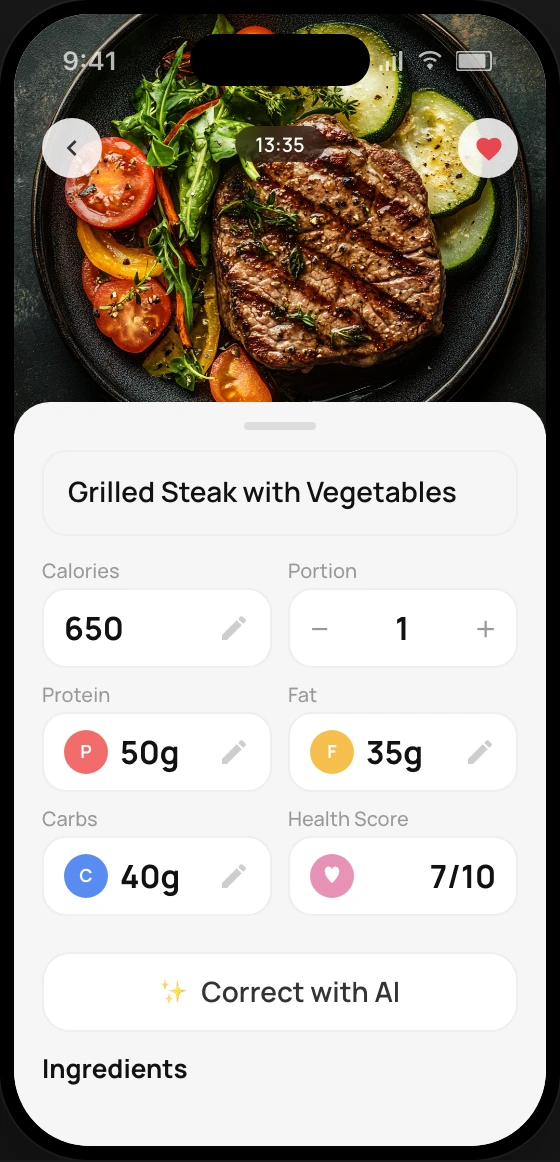
Snap a photo of your meal — CalZen AI instantly calculates calories, protein, carbs, and fat. No manual entry needed.