Almonds are a nutritional powerhouse disguised as a snack — 579 kcal per 100 g of concentrated energy carrying 21.2 g of protein, 49.9 g of predominantly monounsaturated fat (the same heart-protective type found in olive oil), 21.6 g of carbohydrates, and a remarkable 12.5 g of fiber. A single handful of about 23 almonds (28 g) delivers roughly 160 kcal with 6 g of protein — a ratio that has made them the go-to snack for everyone from bodybuilders to office workers watching their macros. They have been cultivated in the Mediterranean since 3000 BC, and California now produces about 80% of the world's supply.
Vitamin E is the headliner at 25.6 mg per 100 g (171% DV) — almonds are the single richest common food source of this fat-soluble antioxidant, which protects cell membranes from oxidative damage and supports skin health. Magnesium (270 mg, 64% DV) relaxes blood vessels and improves insulin sensitivity. Calcium (269 mg, 27% DV) challenges the assumption that dairy is the only meaningful source — almonds deliver more calcium than most cheeses per calorie. Phosphorus (481 mg, 69% DV) and potassium (733 mg, 16% DV) support bone density and cardiovascular function. Riboflavin (1.138 mg, 88% DV) is essential for energy production from fats. Manganese (2.18 mg, 95% DV) activates superoxide dismutase, a primary antioxidant enzyme. Iron (3.71 mg, 21% DV), zinc (3.12 mg, 28% DV), and copper (1.03 mg, 114% DV) round out an extraordinary mineral profile. Niacin (3.62 mg), B6 (0.137 mg), and folate (44 mcg) support metabolism and cell division.
Raw almonds retain the most vitamin E; roasting at 160°C (325°F) for 10-12 minutes enhances flavor with minimal nutrient loss, but higher temperatures degrade the delicate oils. Soaking almonds overnight in water reduces phytic acid (which binds minerals) and makes them easier to digest — traditional Ayurvedic practice has recommended this for centuries. For homemade almond milk, blend 1 cup soaked almonds with 4 cups water and strain through cheesecloth. Almond butter on whole grain toast delivers a near-perfect balance of protein, fat, and complex carbs. Store whole almonds in the refrigerator to prevent the unsaturated fats from going rancid — they will last 12 months chilled versus 4-6 months at room temperature. Slivered almonds make an excellent crunchy topping for yogurt, salads, and stir-fries.
| Nutrient | Per 100 g | Per serving |
|---|---|---|
| Calories | 579 kcal | 162 kcal |
| Protein | 21.2 g | 5.9 g |
| Fat | 49.9 g | 14.0 g |
| Carbohydrates | 21.6 g | 6.0 g |
| Fiber | 12.5 g | 3.5 g |
| Sugar | 4.4 g | 1.2 g |
| Water | 4.4 g | 1.2 g |
| Vitamins & Minerals | ||
| Calcium | 269 mg | 21% |
| Magnesium | 270 mg | 64% |
| Phosphorus | 481 mg | 38% |
| Potassium | 733 mg | 16% |
| Iron | 3.71 mg | 21% |
| Zinc | 3.12 mg | 28% |
| Copper | 1.03 mg | 114% |
| Manganese | 2.18 mg | 95% |
| Vitamin E | 25.6 mg | 171% |
| Riboflavin (B2) | 1.138 mg | 88% |
| Niacin (B3) | 3.62 mg | 23% |
| Folate | 44 µg | 11% |
| Vitamin B6 | 0.137 mg | 8% |
| Serving | Calories | Protein | Fat | Carbohydrates |
|---|---|---|---|---|
| 100 g | 579 kcal | 21.2 g | 49.9 g | 21.6 g |
| 1 oz (28g) (28 g) | 162 kcal | 5.9 g | 14.0 g | 6.0 g |
| 1 cup (143 g) | 828 kcal | 30.3 g | 71.4 g | 30.9 g |
| Handful (30 g) | 174 kcal | 6.4 g | 15.0 g | 6.5 g |
| Food | Calories | Protein | Fat | Carbohydrates |
|---|---|---|---|---|
| Almonds | 579 kcal | 21.2 g | 49.9 g | 21.6 g |
| Chia Seeds | 486 kcal | 16.5 g | 30.7 g | 42.1 g |
| Flaxseed | 534 kcal | 18.3 g | 42.2 g | 28.9 g |
| Cashews | 553 kcal | 18.2 g | 43.9 g | 30.2 g |
| Pistachios | 560 kcal | 20.2 g | 45.3 g | 27.2 g |
Use our calorie calculator to find your daily calorie needs.
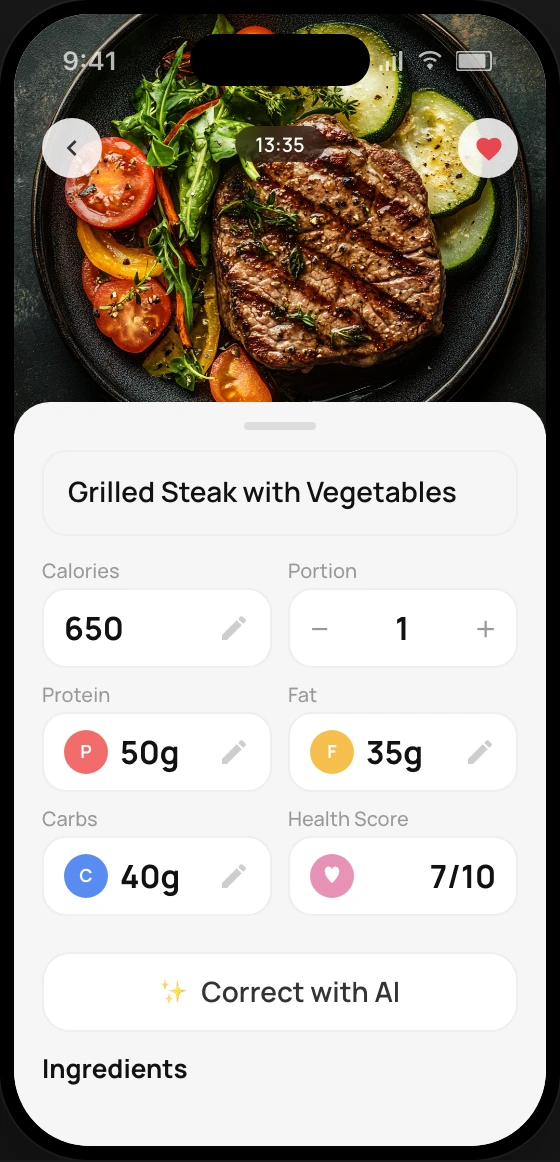
Snap a photo of your meal — CalZen AI instantly calculates calories, protein, carbs, and fat. No manual entry needed.