Blueberries have earned their superfood reputation through decades of research linking them to brain health, heart protection, and longevity. At 57 kcal per 100 g, they deliver 14.5 g of carbohydrates with 10 g of sugar and 2.4 g of fiber. With 84.2 g of water, 0.7 g of protein, and 0.3 g of fat, they are light enough to eat by the handful without caloric guilt. Their deep blue-purple color is not cosmetic — it signals one of the highest anthocyanin concentrations in the edible plant kingdom, and those pigments are directly responsible for many of the health benefits that researchers keep discovering.
Vitamin K leads the micronutrient profile at 19.3 mcg per 100 g (about 16 % DV), supporting blood clotting and bone calcium regulation. Vitamin C (9.7 mg, roughly 11 % DV) provides antioxidant support and collagen production. Manganese (0.336 mg, approximately 15 % DV) activates superoxide dismutase, a critical enzyme in the body's antioxidant defense system. Vitamin E (0.57 mg) protects lipids from peroxidation. Potassium (77 mg) is modest but contributes to the day's total electrolyte intake. The anthocyanins in blueberries — primarily malvidin, delphinidin, and cyanidin glycosides — cross the blood-brain barrier, which is rare for dietary compounds. Clinical trials have shown improvements in short-term memory and reaction time in older adults consuming one cup of blueberries daily for twelve weeks.
Buy blueberries with a dusty white bloom on the skin — this natural wax coating indicates freshness and protects against moisture loss. Avoid containers with juice stains at the bottom, which signal crushed or overripe berries. Store unwashed in their original container in the fridge for up to ten days. Frozen blueberries are nutritionally equal to fresh and often superior because they are flash-frozen at peak ripeness. Toss frozen berries directly into pancake batter, oatmeal, or muffin mix — no thawing needed, and they create beautiful purple swirls. Roast fresh blueberries at 200 °C for 12 minutes with a squeeze of lemon until they burst into a sauce, then spoon over vanilla yogurt or grilled pork. Pair with dark chocolate and almonds for a snack that delivers antioxidants from three sources.
| Nutrient | Per 100 g | Per serving |
|---|---|---|
| Calories | 57 kcal | 84 kcal |
| Protein | 0.7 g | 1.0 g |
| Fat | 0.3 g | 0.4 g |
| Carbohydrates | 14.5 g | 21.5 g |
| Fiber | 2.4 g | 3.6 g |
| Sugar | 10 g | 14.8 g |
| Water | 84.2 g | 124.6 g |
| Vitamins & Minerals | ||
| Vitamin C | 9.7 mg | 11% |
| Vitamin K | 19.3 µg | 16% |
| Manganese | 0.336 mg | 15% |
| Vitamin E | 0.57 mg | 4% |
| Potassium | 77 mg | 2% |
| Serving | Calories | Protein | Fat | Carbohydrates |
|---|---|---|---|---|
| 100 g | 57 kcal | 0.7 g | 0.3 g | 14.5 g |
| 1 cup (148 g) | 84 kcal | 1.0 g | 0.4 g | 21.5 g |
| Handful (50 g) | 29 kcal | 0.3 g | 0.1 g | 7.3 g |
| Food | Calories | Protein | Fat | Carbohydrates |
|---|---|---|---|---|
| Blueberry | 57 kcal | 0.7 g | 0.3 g | 14.5 g |
| Lemon | 29 kcal | 1.1 g | 0.3 g | 9.3 g |
| Watermelon | 30 kcal | 0.6 g | 0.2 g | 7.6 g |
| Strawberry | 32 kcal | 0.7 g | 0.3 g | 7.7 g |
| Peach | 39 kcal | 0.9 g | 0.3 g | 9.5 g |
Use our calorie calculator to find your daily calorie needs.
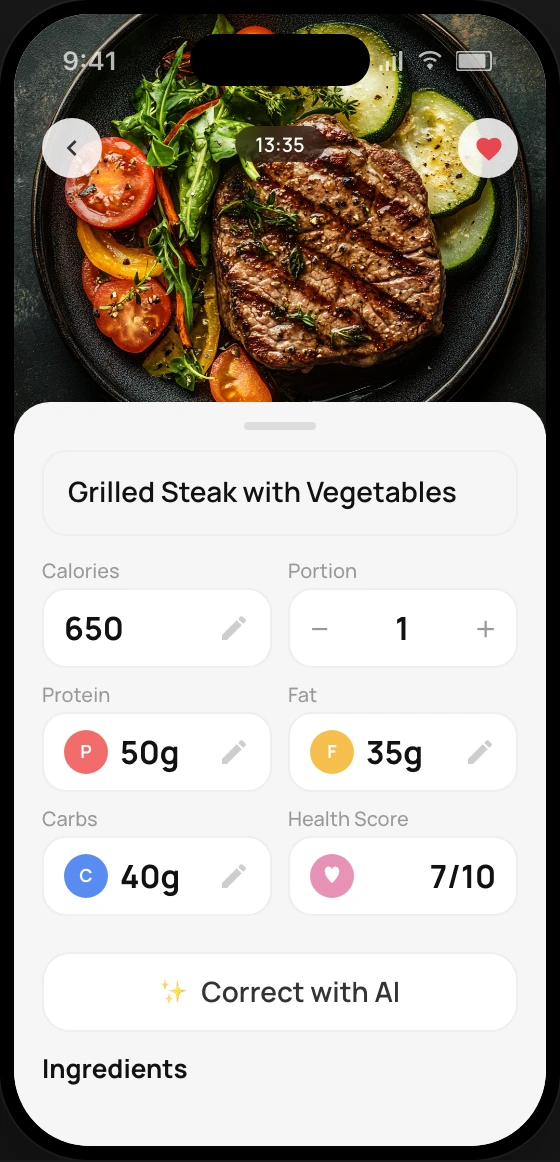
Snap a photo of your meal — CalZen AI instantly calculates calories, protein, carbs, and fat. No manual entry needed.